
Last updated August 27, 2026
Free in-home measure and quote - PGT, CGI and CWS impact lines compared on your actual openings, style by style
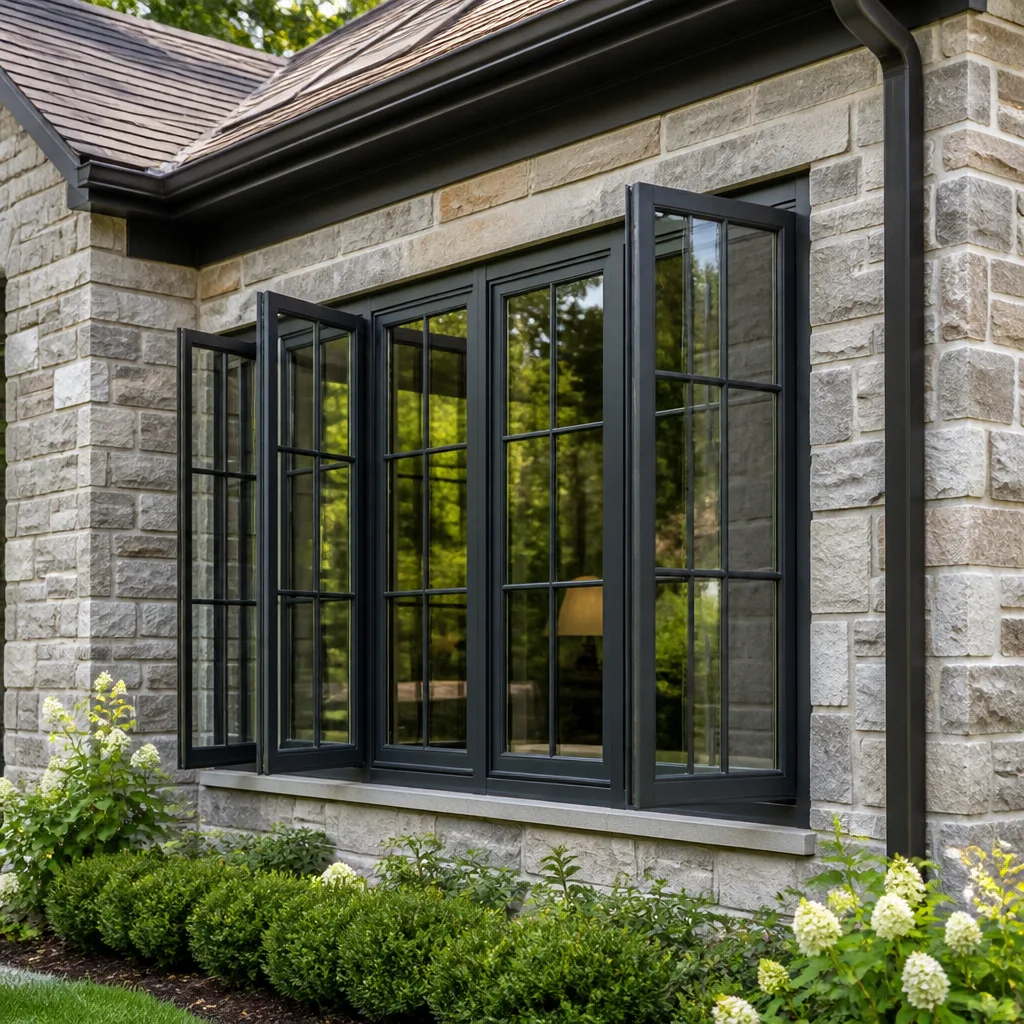
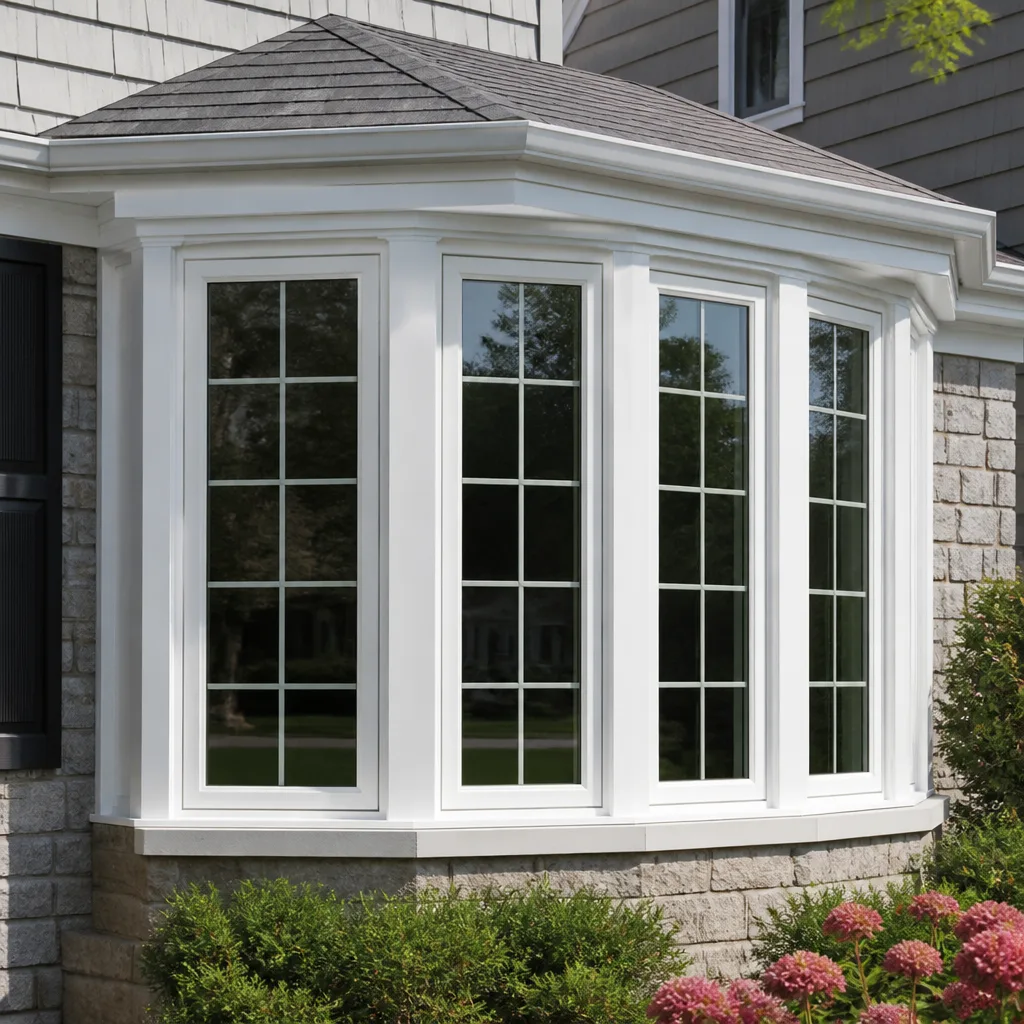
Sliding glass doors
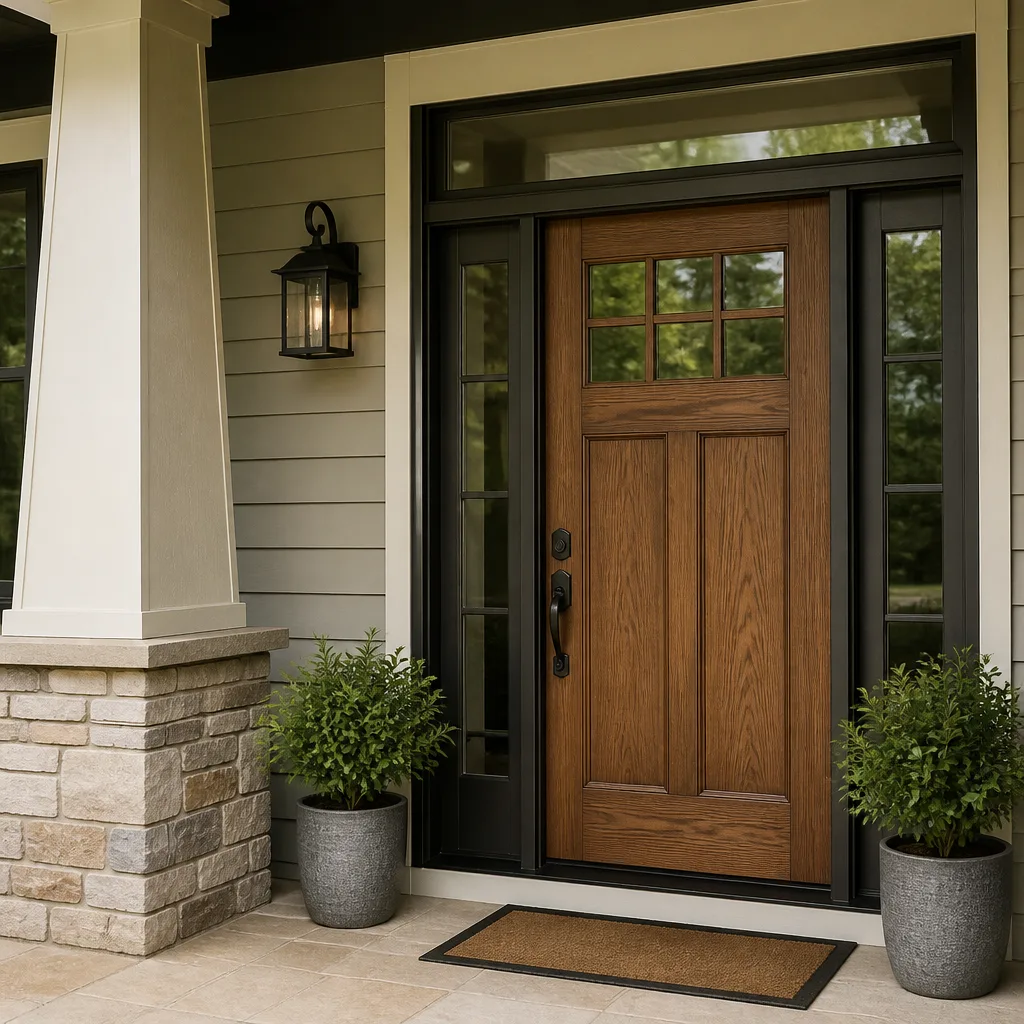
Impact garage doorsPGTCGI
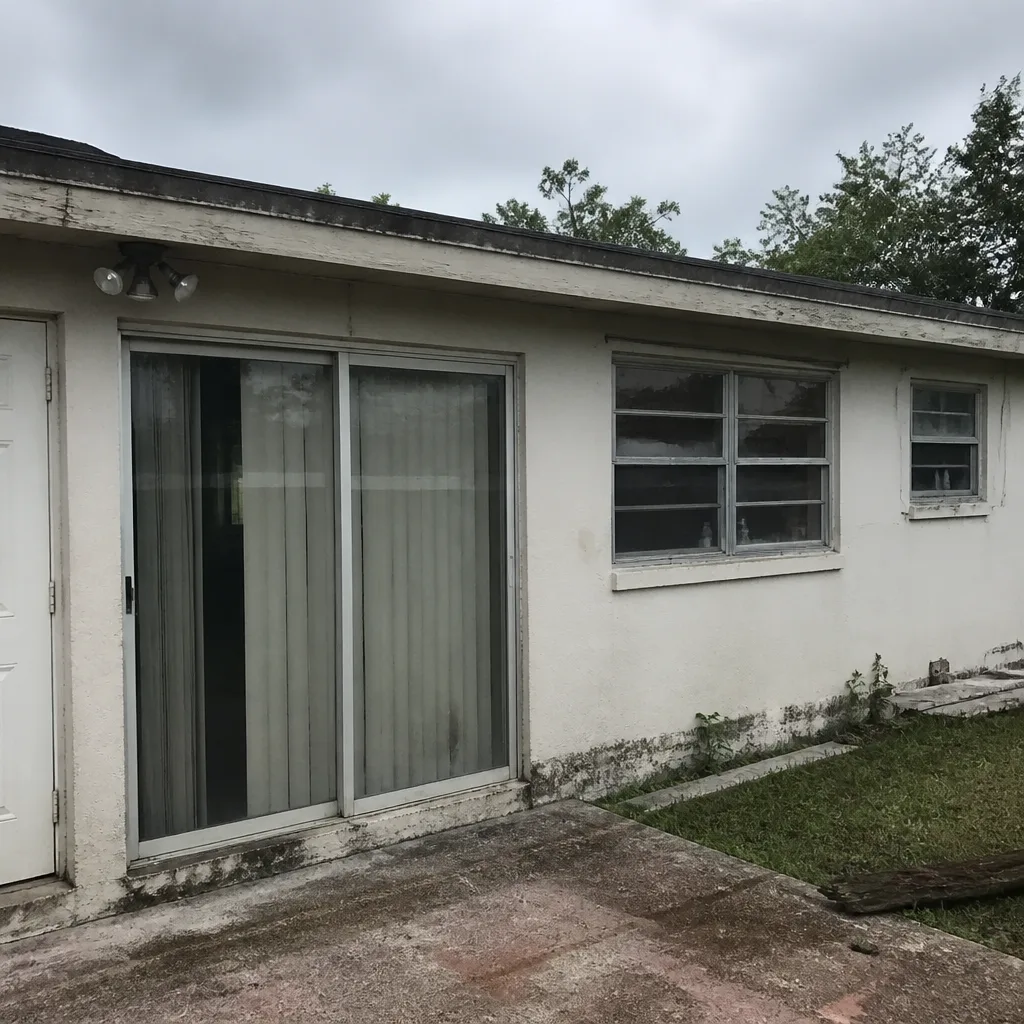 Before
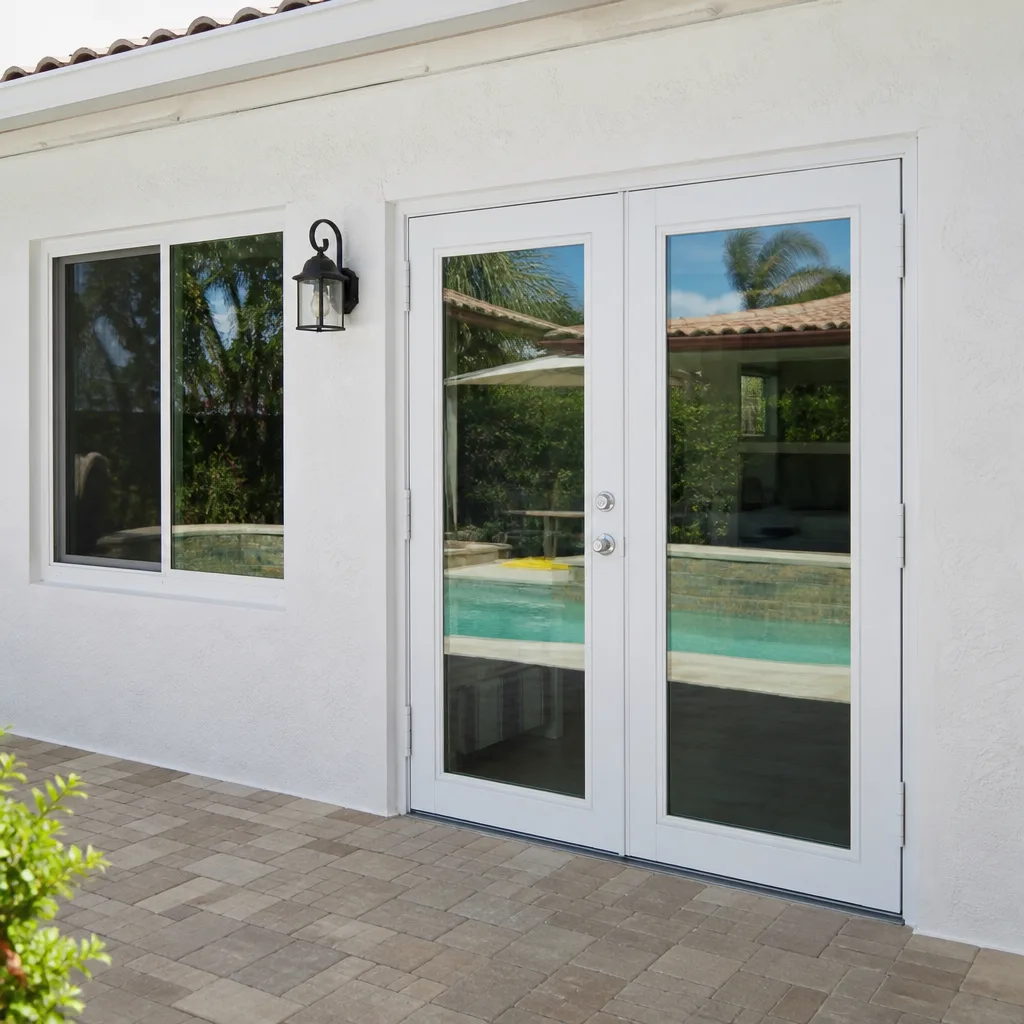 After
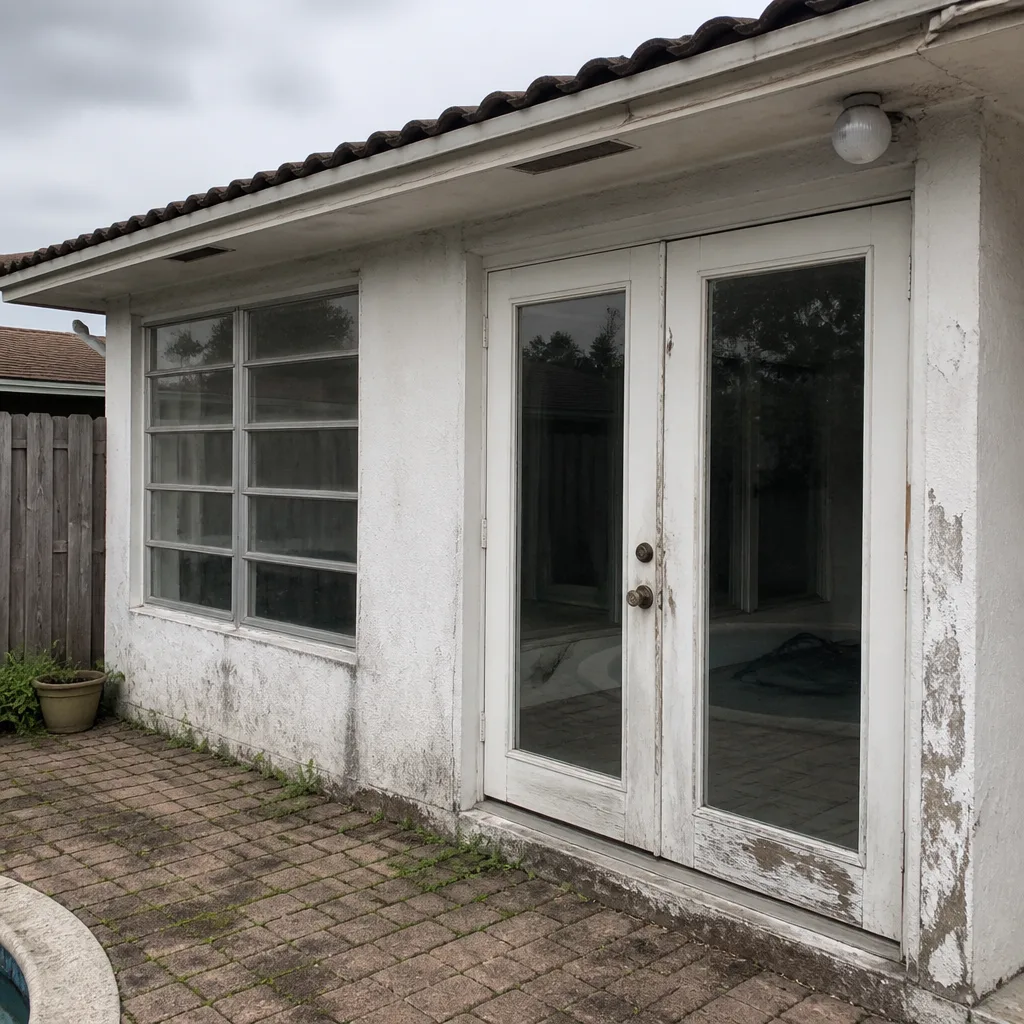 Before
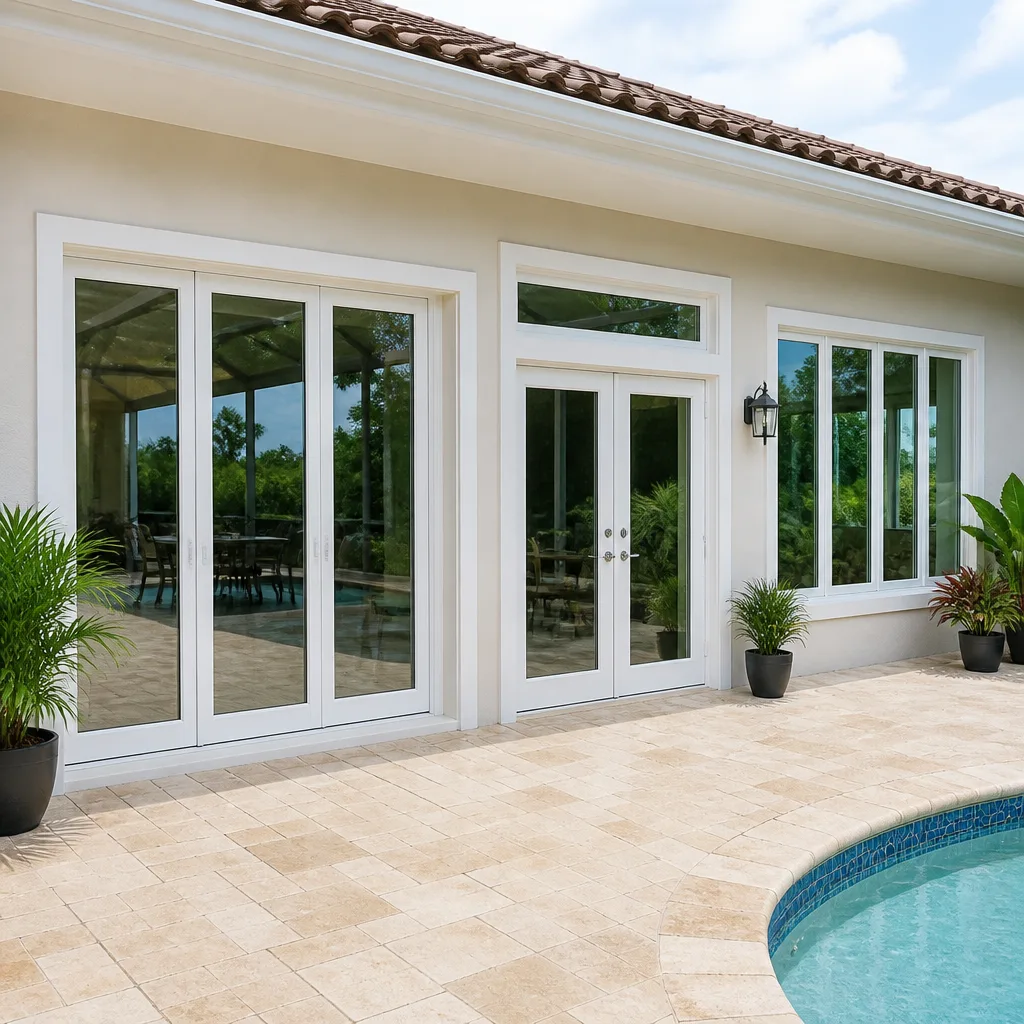 After
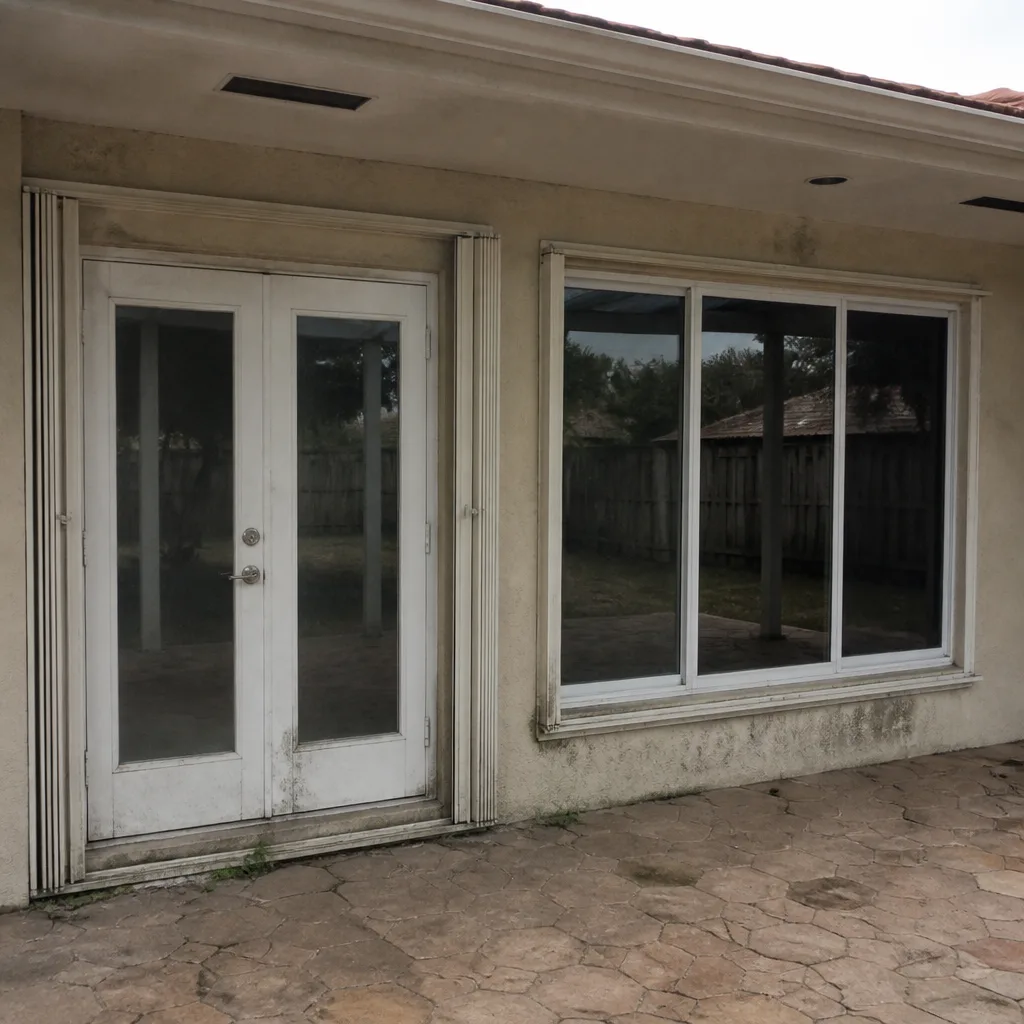 Before
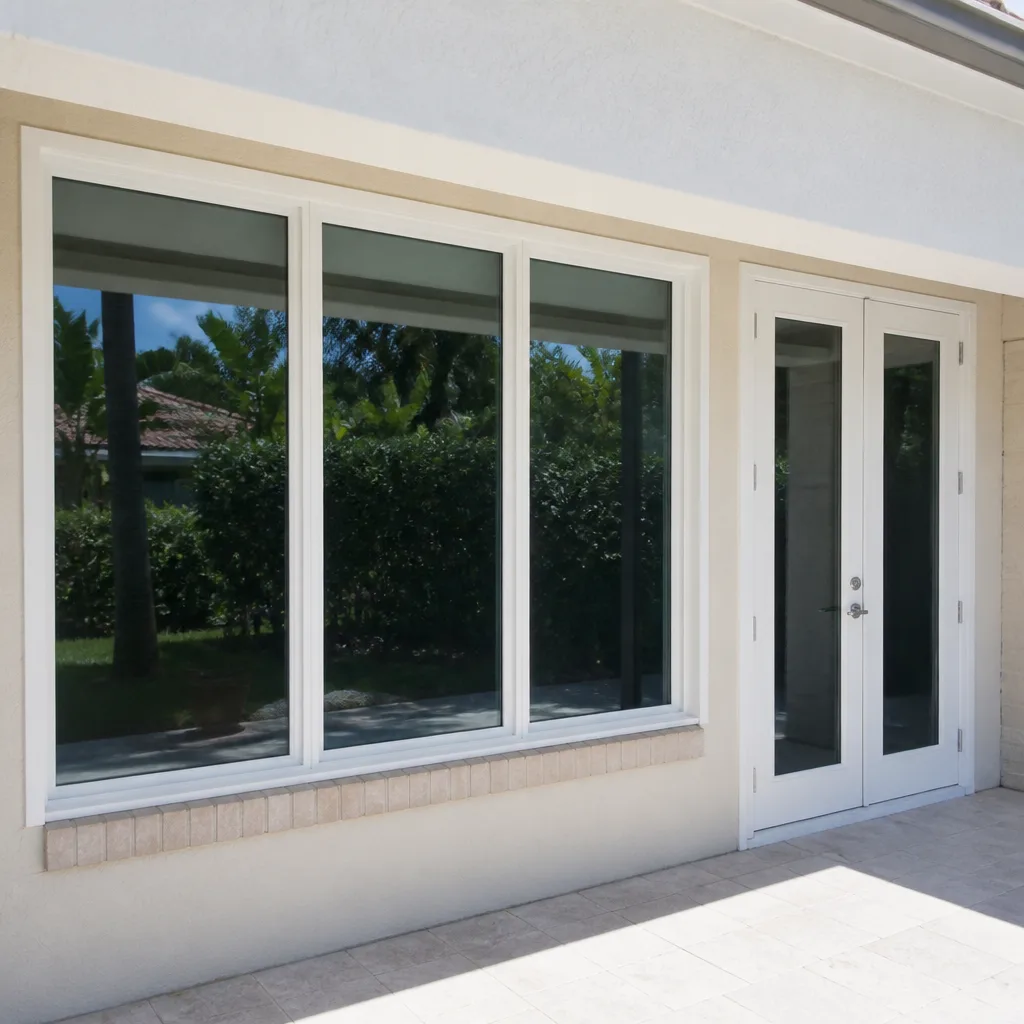 After
Windows & Doors Warning Signs: A Davie Homeowner’s Reference Guide
Most Davie homeowners don’t replace a window because it looks old. They replace it because it started lying to them. The glass sweats between the panes where no wipe can reach it. The door that closed cleanly for fifteen years suddenly needs a shoulder to latch. These are not quirks of an aging house. They are the house telling you, in the only language it has, that a seal has failed, a sash has shifted, or a frame has begun to rot from the inside out. This guide is a room-by-room, sign-by-sign reference for reading those warnings before they become water stains on the ceiling and a five-figure repair bill. We’ll walk through what each warning means, what it costs to ignore in South Florida’s climate, and what a proper fix actually looks like.
Quick Answer
Windows and doors in Davie typically warn you through fogged glass, drafts, sticking or binding operation, soft wood around frames, rising energy bills, and daylight visible around closed doors. Most of these signs mean a seal has failed or a frame has moved out of true, and the underlying cause rarely fixes itself. The sooner you identify the warning sign, the less likely you are to replace subflooring, drywall, or trim that water and humidity have already damaged.
Table of Contents
- Fogged Glass and Failed Seals
- Drafts and Air Leaks You Can Feel
- Sticking, Binding, and Hard-to-Latch Doors
- Soft Wood, Rot, and Water Stains Around Frames
- Rising Energy Bills and Window Film Failure
- Impact Window and Hurricane Code Warning Signs
- Condensation vs. Failed Seals: What Davie Humidity Actually Does
- Common Mistakes to Avoid
- When to Call a Professional
- Frequently Asked Questions
- The Bottom Line
Fogged Glass and Failed Seals
Fogged glass is the most common window warning sign in Davie, and it is also the most misunderstood. When moisture appears between the two panes of an insulated glass unit, the hermetic seal around the perimeter of that unit has failed. The desiccant material inside the spacer bar, the strip that holds the two panes apart, has absorbed all the moisture it can hold. After that, condensation accumulates where no towel can reach it.
In our experience across Davie neighborhoods from Forest Ridge to Shenandoah, a fogged window is not a cleaning problem. It is a sealed-unit failure, and the fix is either replacing the glass unit itself or replacing the entire sash, depending on the window’s age and design. On a vinyl or aluminum frame still in good condition, a glass-only replacement is often the squarest deal. On a wood frame that has been holding moisture against its sill for a season or two, the frame may need to go as well.
The cost of waiting: A failed seal does not stay cosmetic. The trapped moisture accelerates deterioration of the spacer, fogs the glass permanently, and in Davie’s humidity can promote mold along the interior frame. More importantly, that window’s insulating value has dropped to roughly that of a single pane. You are paying to cool the outside air.
How to Confirm a Seal Failure
- Try the wipe test. Wipe the glass on both the inside and outside surfaces. If the fog stays put, it is between the panes. That is a failed seal, not household humidity.
- Look for a milky or hazy film. Failed seals don’t always show obvious droplets. A permanent haze that won’t clean off is often the first visual stage.
- Check for distortion. As a unit loses its seal, slight pressure differences can make the glass bow. Reflections look slightly warped compared to a healthy window next to it.
- Note if the fog comes and goes. Some failed units only fog in the morning and clear by noon as the trapped air heats up. That is still a failed seal, not a weather event.
A fogged window in Davie is a repair that will not get cheaper by waiting. Sealed unit replacements are common, and a glazier who does them regularly can usually match the existing glass and keep the original frame when the frame is sound. The TruePane Windows & Doors home service area covers the full range of Davie’s older ranch homes and newer subdivisions alike.
Drafts and Air Leaks You Can Feel
A draft in a Davie home is not always obvious in the way a northern homeowner might describe it. We are not dealing with a January wind forcing its way through the sash. What you feel here is more subtle: a spot in the room that always feels a few degrees warmer than the rest, a curtain that moves when the air conditioning kicks on, a faint whistle near the jamb on a breezy afternoon.
Drafts mean the weatherstripping has flattened, the sash has twisted slightly out of its track, or the frame itself has pulled away from the rough opening. In older Davie homes, particularly those built in the 1970s and 1980s, the original aluminum windows were rarely installed with the sealing standards we use today. At TruePane, we regularly pull out old windows in the Rolling Hills and Driftwood areas and find no backer rod, no low-expansion foam, no sealant at all between the frame and the studs. The window was simply screwed in and trimmed out. The house has been leaking conditioned air into that gap for forty years.
Where Drafts Hide
- Along the meeting rail where the upper and lower sash overlap in a single-hung or double-hung window.
- At the bottom corners of a sliding glass door, where the rollers wear down and the panel settles just enough to break the seal.
- Around the exterior trim, particularly at the top of a window where roof runoff and sun exposure break down caulk first.
- Under exterior doors, where a sweep has hardened or a threshold has dropped over time.
A draft is a warning sign for two reasons. First, it means the building envelope has been compromised, and in South Florida that means humid outside air is entering your conditioned space every hour of every day. Second, it means something has moved. Windows and doors are designed to fit their openings. When a draft develops on a unit that used to seal fine, the frame or sash has shifted, and that shift only continues.
We’ve fixed drafts in Davie homes that were caused by everything from a settling foundation on a lot near the South New River Canal to a door that was hung slightly out of square in the first place. The fix is not always replacement. Sometimes it is re-shimming, re-weatherstripping, and re-caulking by a technician who knows how to find the actual gap rather than chase the symptom.
Sticking, Binding, and Hard-to-Latch Doors
When an exterior door in Davie starts sticking in the frame or refuses to latch without a firm pull, the door is telling you something about the relationship between the slab, the hinges, and the jamb. Wood moves with humidity, and South Florida provides more humidity than most materials can handle without complaint. But a door that binds every July and frees up every January is not just being seasonal. It is showing you that the jamb has absorbed enough moisture over enough years to distort permanently.
The more telling warning sign is the door that sticks at the top on the latch side. That specific binding pattern usually means the hinge side of the jamb has settled or pulled away from the framing, shifting the door’s alignment. The fix is rarely sanding the door down. A skilled technician re-shims the jamb or adjusts the hinges to bring the slab back into true. Sanding the door to make it fit a crooked frame treats the patient for a symptom while leaving the disease alone.
What to Watch For
- A latch that scrapes the strike plate. This means the door has dropped. The hinges are worn or the top hinge screws have stripped out of the jamb.
- Visible light around the door when closed. Even a sliver means air and water are getting through.
- A door that swings open or closed on its own. The jamb is no longer plumb. Gravity has taken over.
- A threshold that looks crushed or bent. It has been holding weight it was not designed to hold, usually because the door has dropped and the slab now rests on the threshold instead of the hinges.
In Davie, exterior doors also face an additional stressor: afternoon thunderstorms and the quick temperature swings that come with them. A well-installed door handles this without complaint. A door that was originally hung out of true will get worse with every cycle. If the pane is not true, the job is not done. That is the rule, and it applies just as firmly to a single front-porch door as it does to a wall of impact sliders.
Soft Wood, Rot, and Water Stains Around Frames
Soft wood around a window or door frame is a warning sign that demands immediate attention in Davie. By the time your finger presses into the sill and leaves a dent, rot is already established inside the wood. And where there is rot, there has been water. And where there has been water, there is usually more of it still finding its way in.
The most common entry point in older Davie homes is the exterior casing joint at the top corners of windows. Caulk dries out, shrinks, and cracks in the Florida sun. Rainwater follows the path of least resistance, which means it runs down the exterior wall, finds that crack, and wicks into the end grain of the wood trim. From there it spreads invisibly behind the stucco or siding. Homeowners often see the water stain first on the interior drywall below the window, not at the source of the leak.
Signs of Frame Rot to Watch For
- Paint bubbling or peeling in patterns that follow the joint lines, not the flat surfaces.
- A musty smell near a particular window that persists even after cleaning.
- Swollen wood that has closed the gap between the sash and the frame on one side.
- Caulk that has pulled away from the wood in long, ragged strings rather than clean bead lines.
- Soft spots found by pressing a screwdriver gently along the sill and lower corners.
The fix for rot is not epoxy filler alone. If the rot extends more than a shallow surface layer, the correct repair is to cut out the damaged wood and replace the affected section or the entire frame. A technician from TruePane pulls the trim, inspects the rough opening, and repairs what is actually damaged before reinstalling with proper flashing and sealant. We’ve pulled frames in Davie homes and found the rough opening behind them so wet that the plywood sheathing crumbled in our hands. No amount of caulk would have fixed that from the outside.
Rising Energy Bills and Window Film Failure
Energy bills in Davie rise for many reasons, and the windows are not always the culprit. But when an FPL bill climbs month over month through a Florida summer, and the AC unit is reasonably new and properly serviced, the windows and doors move to the top of the suspect list. Single-pane aluminum windows, which are still common in Davie’s older neighborhoods, conduct heat directly from the hot exterior frame to the cool interior surface. Replacing those with energy-efficient units can be one of the most effective changes a homeowner makes.
Window film is another warning sign specific to sun-heavy climates. That bronze or gray tint applied to the glass in the 1990s and early 2000s degrades. It bubbles, it peels at the edges, it turns purple, and its solar-reflecting ability drops with every passing year. Homeowners sometimes see the bubbling and think the glass itself is failing. Often it is just the film reaching the end of its useful life. In some cases the film can be removed and the glass restored. In others, the film has caused the sealed unit to overheat and fail internally, and the glass needs replacement.
What you should not do is ignore the energy bill and assume it is simply the cost of living in South Florida. A window that no longer insulates is a window that is actively working against your air conditioner. In a home in the Shenandoah or Country Glen areas with ten or twelve original windows, the cumulative loss is measurable every single month.
Impact Window and Hurricane Code Warning Signs
Davie sits outside the immediate coastal evacuation zones, but it remains fully inside the South Florida hurricane impact zone. Building codes in Broward County require impact-rated protections for new construction and major renovations. Many Davie homes already have impact windows or shutters, and those systems have warning signs of their own.
For impact windows, the sign to watch is the laminated glass itself. Impact glass is made of two panes bonded to an interlayer. If the glass is chipped, cracked, or shows any evidence of delamination at the edges, it is no longer performing to its rating. A chip that a homeowner might ignore in a regular window is a structural compromise in an impact window. The entire point of that window is to stay in one piece when debris hits it. A compromised unit cannot be expected to hold.
Shutters and accordion systems have their own failure modes: tracks that bind, bearings that grind, panels that no longer lock properly. These systems are only tested when they are needed, which in Davie could be years at a time. When a storm is approaching is not the moment to discover that the shutters have not been serviced in a decade.
What We Look For on an Impact System
- Glass damage of any kind on the laminated unit, even a small chip near the edge.
- Labels and ratings that are missing or illegible. A proper impact window carries a label, and that label matters for code compliance and insurance documentation.
- Frame-to-opening attachment that was never upgraded. Some homes have impact-rated glass in frames that were not properly anchored to meet the full system rating.
- Roller and track wear on sliding impact doors. These systems are heavy, and worn rollers put strain on the locking hardware.
Authorized dealer status matters here. TruePane is an authorized installer for PGT and CGI among others, which means the product warranties and the installation both trace back to a company that stands behind the work. We will be there when we say, and the warranty paperwork is registered before we leave the driveway.
Condensation vs. Failed Seals: What Davie Humidity Actually Does
Condensation on the inside surface of a window is not automatically a window failure. In Davie, where relative humidity indoors can hover above 60 percent during summer months, moisture can form on the glass simply because the interior surface is cool and the room air is moist. That is a house-humidity issue, not a seal failure, and it responds to dehumidification and better bathroom and kitchen ventilation.
Condensation on the outside surface of an energy-efficient window is also not a failure. It is actually a sign the window is doing its job. The exterior surface stays cool while the damp Florida air condenses on it, the same way it would on a cold glass of water on the patio. This happens most often in the early morning after a humid night and clears as the sun hits the glass. No repair is needed.
The failure sign is the one that does not clear and cannot be wiped. Moisture between the panes is the sealed unit announcing that it is no longer sealed. The space between the panes should be dead dry for the life of the unit. When it is not, the argon or krypton gas fill has escaped, the desiccant has loaded up, and the window has become a heavy double pane with an air gap. It is still a physical barrier, but it is no longer an insulating barrier.
Why It Matters More in Davie
- Humidity is relentless. A failed seal pulls damp air into the unit every time the pressure changes, and the moisture never fully leaves.
- Interior mold risk increases around frames that stay damp from constant condensation cycling.
- Cooling costs increase because the window has lost the gas fill that was doing the insulating.
- The problem is progressive. Once a seal fails, the unit degrades over time. It does not heal, and it does not stabilize.
If you are uncertain whether the moisture you see is between the panes or on one of the surfaces, the wipe test answers it in five seconds. Wipe the interior glass, then the exterior. If the fog moves, it is surface condensation. If it stays in the middle, the seal is gone.
Common Mistakes to Avoid
- Ignoring fogged glass because “it still keeps the rain out.” A fogged unit has failed. It is not keeping the heat out anymore, and in Davie that is the far more expensive failure.
- Sanding or planing a sticking door instead of fixing the jamb. Removing material from the door makes the gap permanent. The correct fix addresses the alignment that caused the binding.
- Caulking over rotten wood. Caulk seals a joint. It does not restore structural wood. If the frame is soft, the rot continues underneath the caulk.
- Replacing only the broken pane in an insulated glass unit. Modern sealed units are replaced as units. Patching one pane destroys the seal and the insulating value.
- Waiting until hurricane season to check shutters and impact glass. By June, the schedule of every qualified glazier in Broward County is full. Check in the dry months.
- Trying to adjust modern sliding door rollers without knowing the system. Some doors have non-adjustable rollers; some have adjustable ones that require specific tools. Forcing a roller that is not designed to move can crack the frame.
- Assuming a high energy bill is just “the AC working hard.” When the AC is healthy and the bill still climbs, the building envelope is usually the cause, and windows and doors are the weakest points in that envelope.
These mistakes share a common theme. They treat the symptom as the problem and leave the actual cause untouched. A square deal means fixing the true issue the first time, not revisiting the same warranty callback every summer.
When to Call a Professional
Call a professional when the warning sign involves a structural issue, a failed seal, moisture damage, or a system that is protecting your home against a hurricane. Fogged glass is a unit replacement. Soft rot is a frame repair that may require removing the window entirely. A sticking impact door is a heavy, engineered system that should not be adjusted by guesswork. These are not situations where a weekend and a tube of caulk put things right.
The honest line is this: if you can clearly identify the cause and confidently fix it, it was probably a maintenance item, not a window warning sign. If you are looking at moisture where it does not belong, wood that does not feel like wood, or a door that has changed its mind about how it closes, you are past maintenance. TruePane Windows & Doors offers free estimates in Davie. Call (863) 208-5172 and we’ll walk the house with you, identify what is actually wrong, and put the fix in writing before we touch a screwdriver.
Frequently Asked Questions
Replacing a fogged sealed unit on a standard window in Davie typically costs between $180 and $400 per unit for glass-only replacement when the existing frame is sound. The exact cost depends on the unit size, glass type, whether the window is single-hung or picture style, and whether the glass needs low-E or impact-rated treatment. Call (863) 208-5172 for an exact quote on your specific windows. Estimates are free.
In most cases where the frame is still solid and square, only the insulated glass unit needs replacement, not the entire window. If the frame is rotten, warped, or the original installation was out of true, a full replacement is often the better long-term investment. A technician can tell you which applies after looking at the window in person. We measure every opening twice and put the options on paper before you decide.
Yes. Impact windows require attention to glass chips, edge delamination, label legibility, and the anchoring between the frame and the opening. A small chip that is cosmetic on a standard window is a rating compromise on an impact window. TruePane is an authorized installer for PGT, CGI, and other impact-rated lines, and we register both warranty layers in writing before the technician leaves your driveway in Davie.
The humidity in Davie swells wood during the summer months, and if the jamb has absorbed moisture over years of this cycle, the swelling becomes permanent distortion rather than a seasonal change. A door that sticks only in summer is still a door that needs attention. The jamb has been taking on moisture, and it will not return to its original shape on its own.
Wipe the glass from both the inside and the outside. If the moisture disappears when wiped, it is surface condensation caused by interior humidity or exterior temperature, not a failed unit. If the moisture stays visible between the two panes after wiping both surfaces, the seal has failed and the unit needs replacement. In Davie’s humid climate, both types of condensation occur, and the wipe test distinguishes them in seconds.
Some policies cover wind- or impact-related damage, and some cover water damage caused by a sudden event, but gradual deterioration like failed seals, rot from long-term moisture, and worn weatherstripping is generally considered maintenance and is not covered. Impact window installation sometimes qualifies for insurance premium reductions, and we recommend confirming the specific discount with your carrier. We provide the documentation you need in writing, including manufacturer warranty registrations, to keep your records clean.
The Bottom Line
Windows and doors do not fail silently. They fog, they stick, they leak, they tell you through the energy bill, and they rot where water has been getting through. In Davie, where humidity and storm seasons punish every weakness in a building envelope, reading those warning signs early is the difference between replacing a sealed unit and replacing a wall section. The signs in this guide are the ones we have seen most often in years of serving South Florida homeowners. If you spot one of them, act before the next summer pushes it further out of true. A square deal always costs less than a reconstruction.
Written by the team at TruePane Windows & Doors.
Six Reasons Homeowners Choose TruePane Windows & Doors
Impact systems engineered to design pressures up to +/-100, matched to your wind zone - your openings hold when the storm arrives.
Low-E insulated impact glass from our manufacturer lines commonly cuts monthly cooling bills 20-30%.
Laminated impact glass shuts out up to 40% of outside noise - traffic, neighbors, weather.
Monitoring services run $30-90 a month. Laminated impact glass resists forced entry around the clock, with no subscription.
Florida homeowners average around 25% savings on the windstorm portion of their policy after protecting every opening - some homes qualify for more.
A full impact package upgrades curb appeal, buyer confidence and appraised value in one project.