
Last updated August 25, 2026
Free in-home measure and quote - PGT, CGI and CWS impact lines compared on your actual openings, style by style
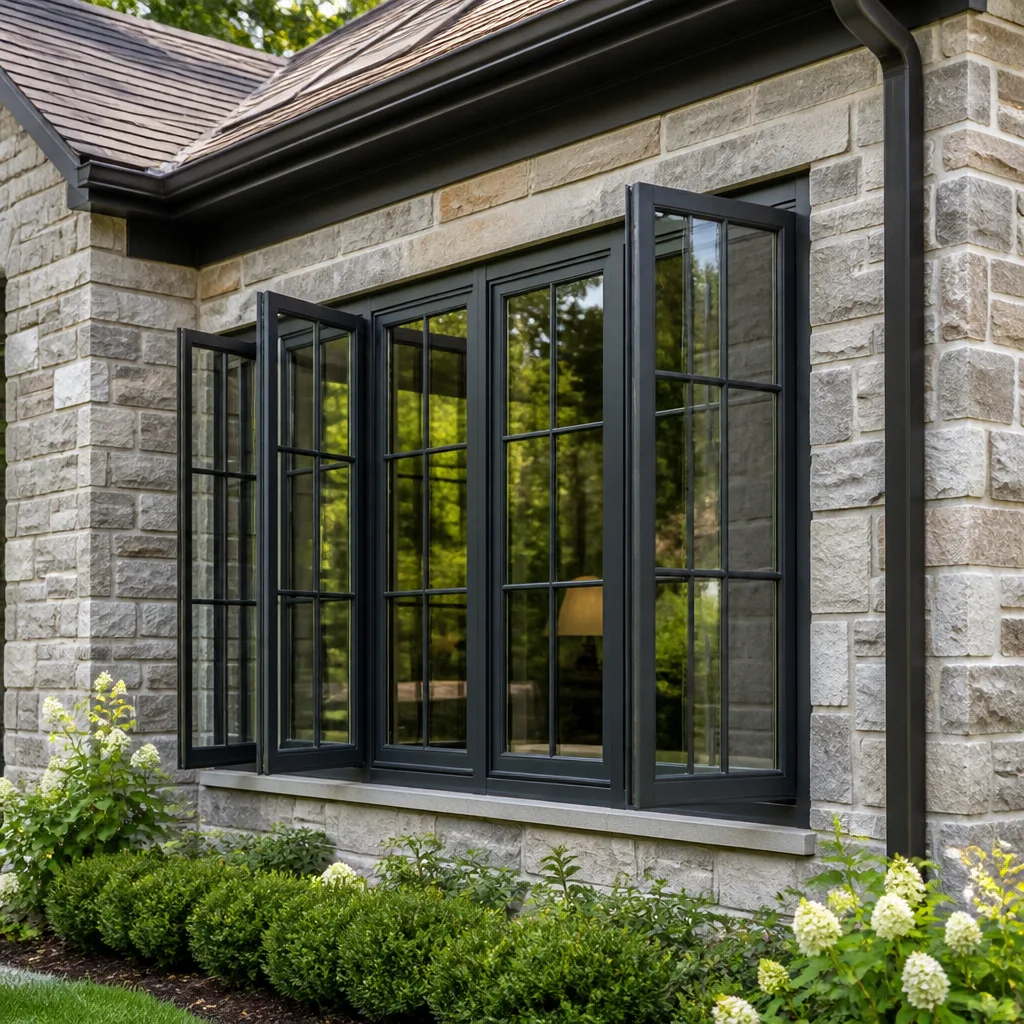
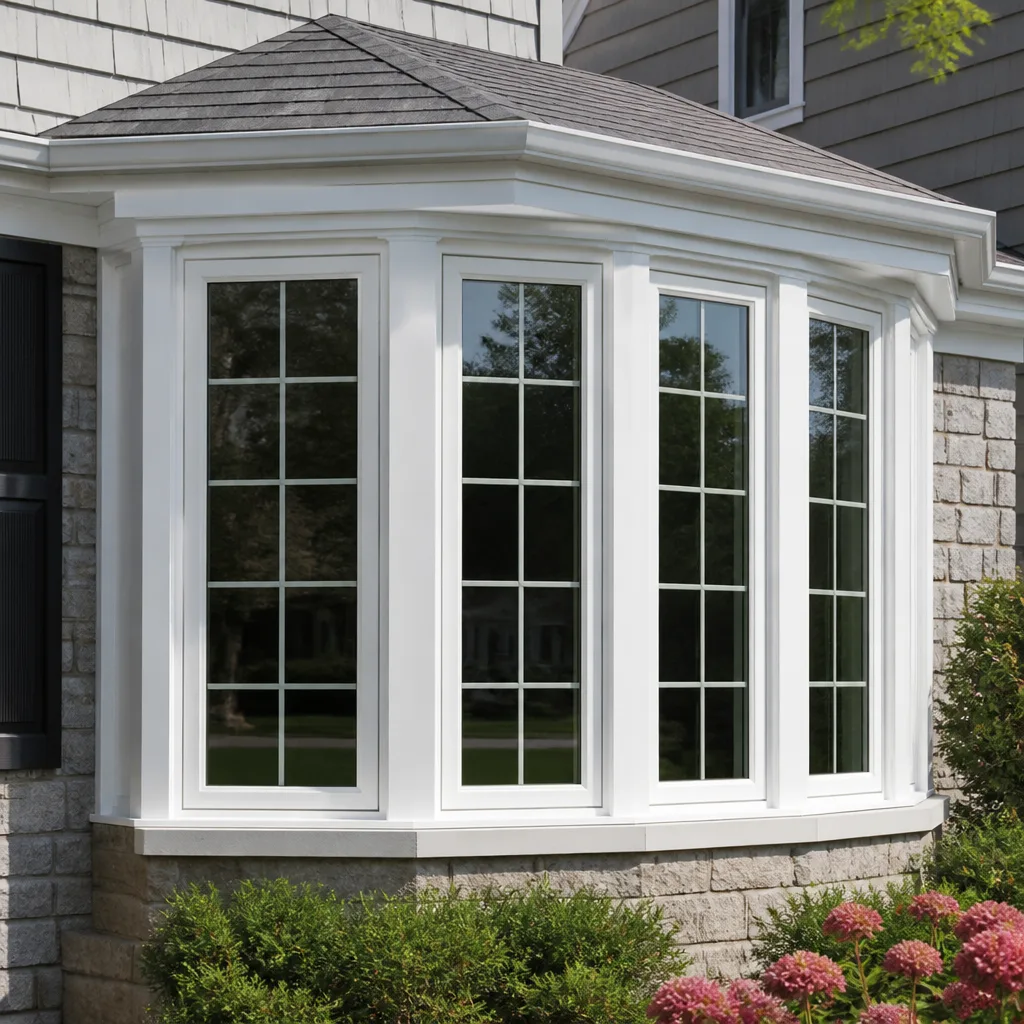
Sliding glass doors
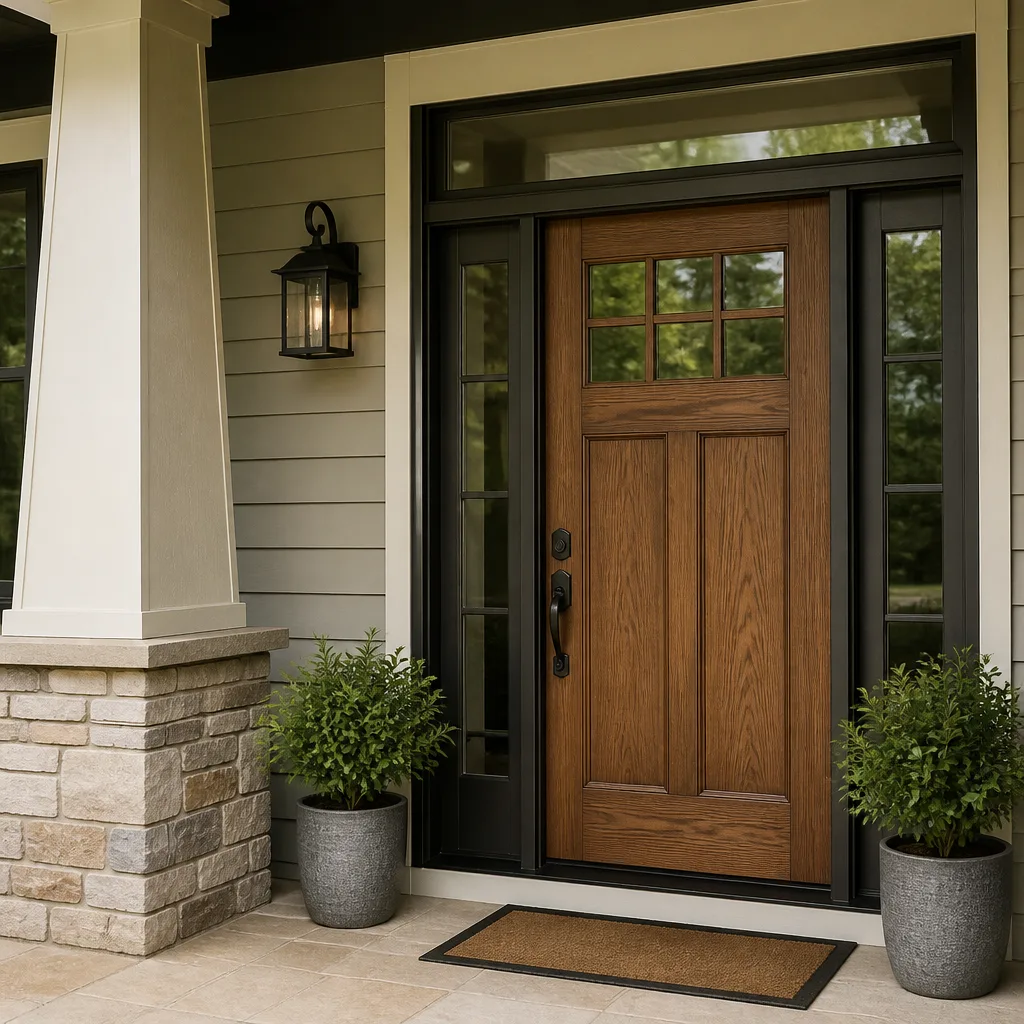
Impact garage doorsPGTCGI
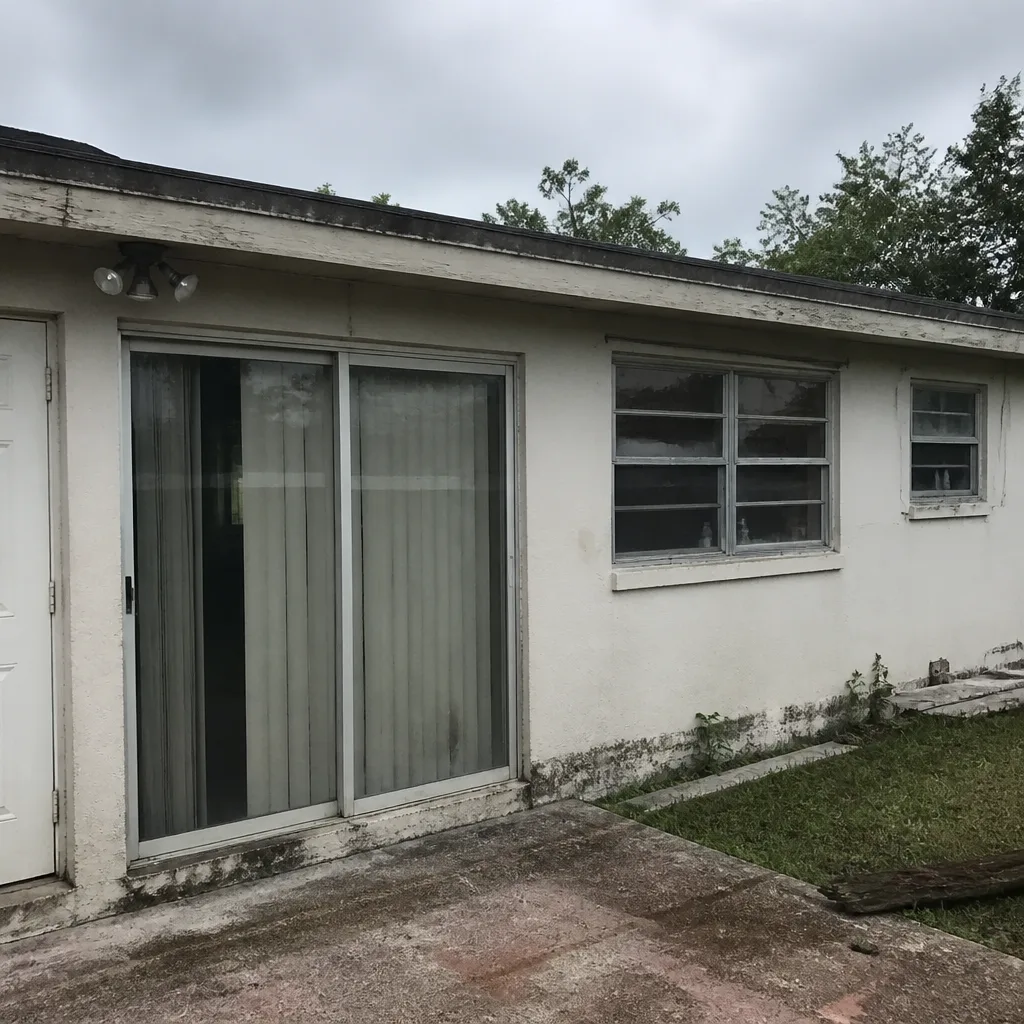 Before
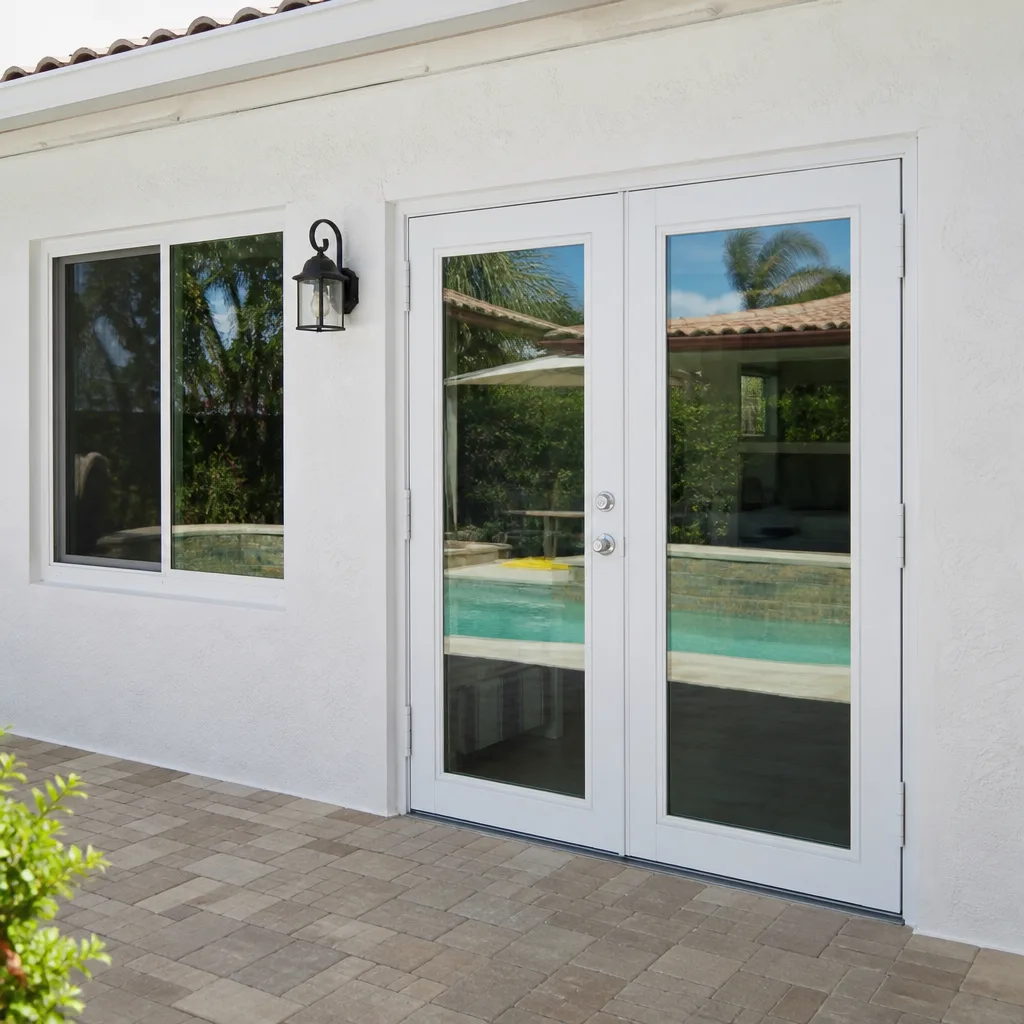 After
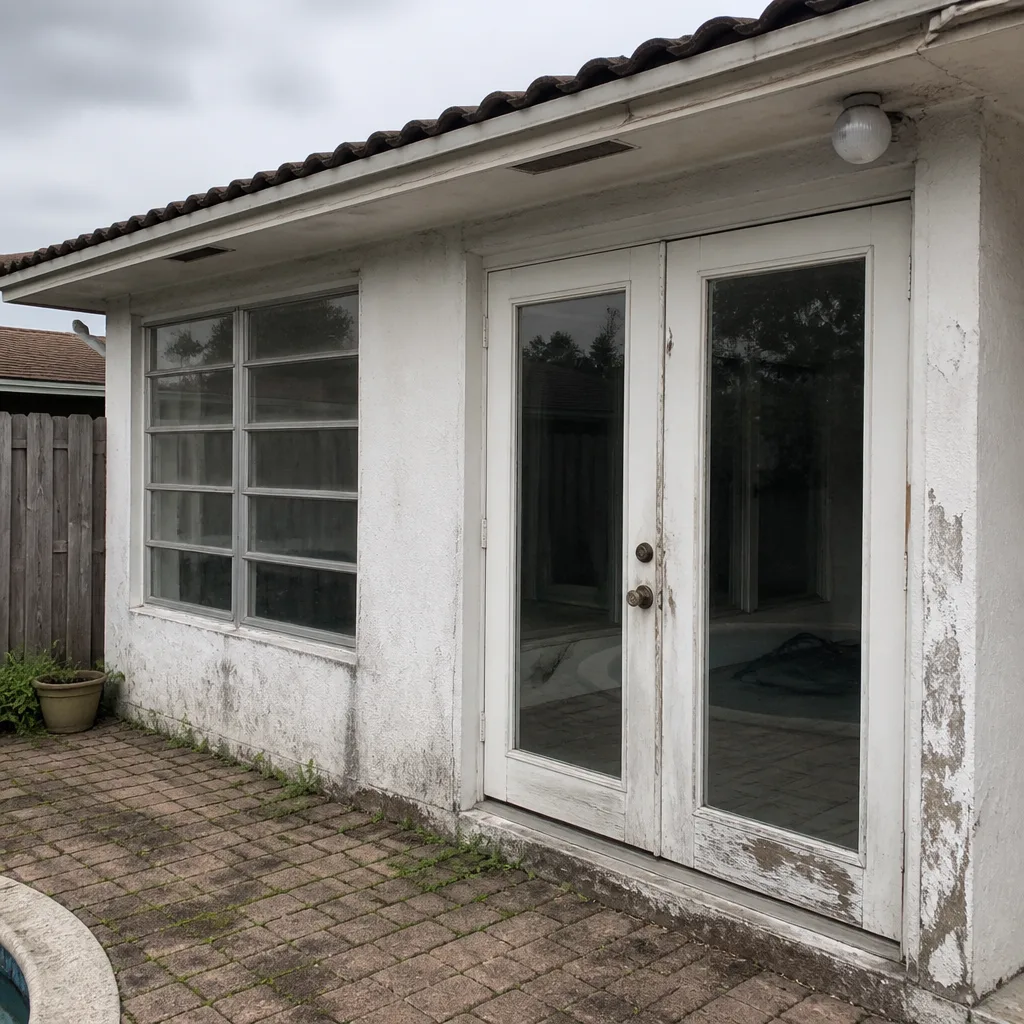 Before
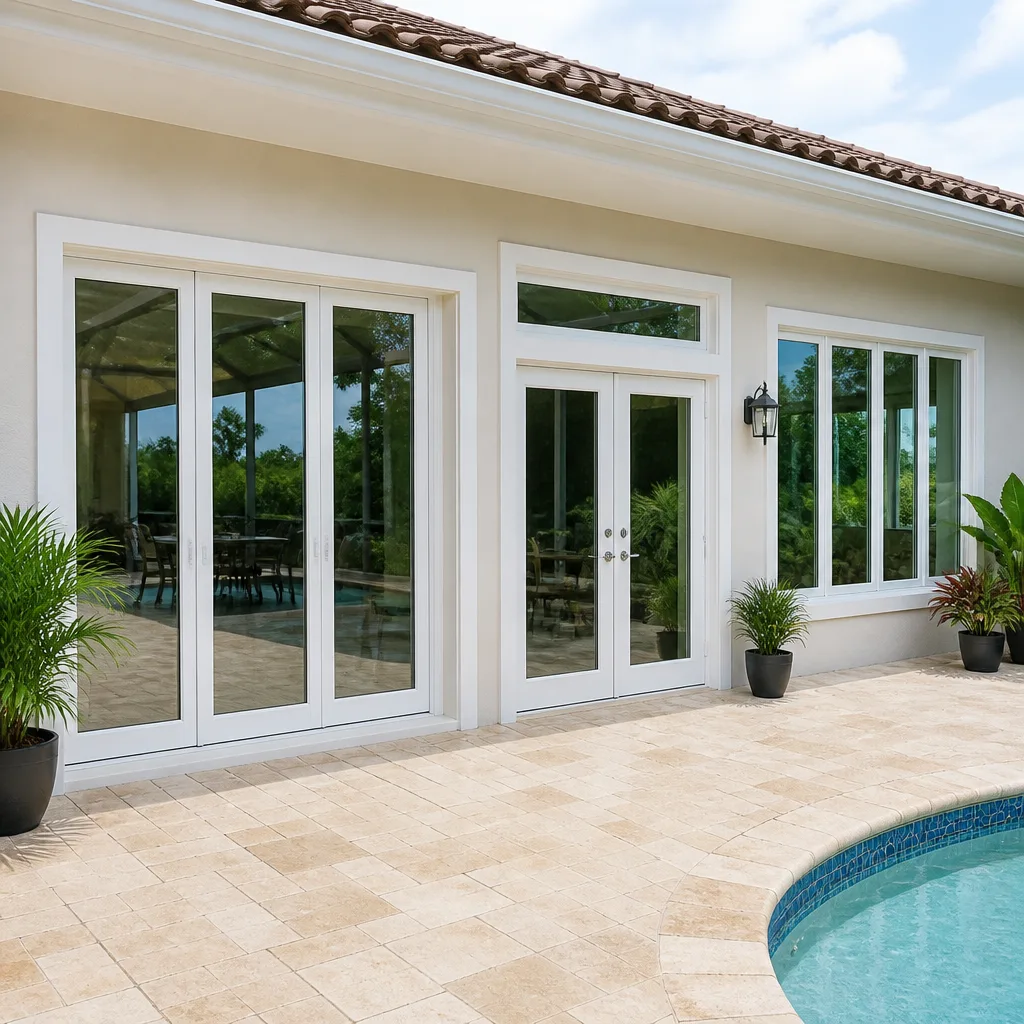 After
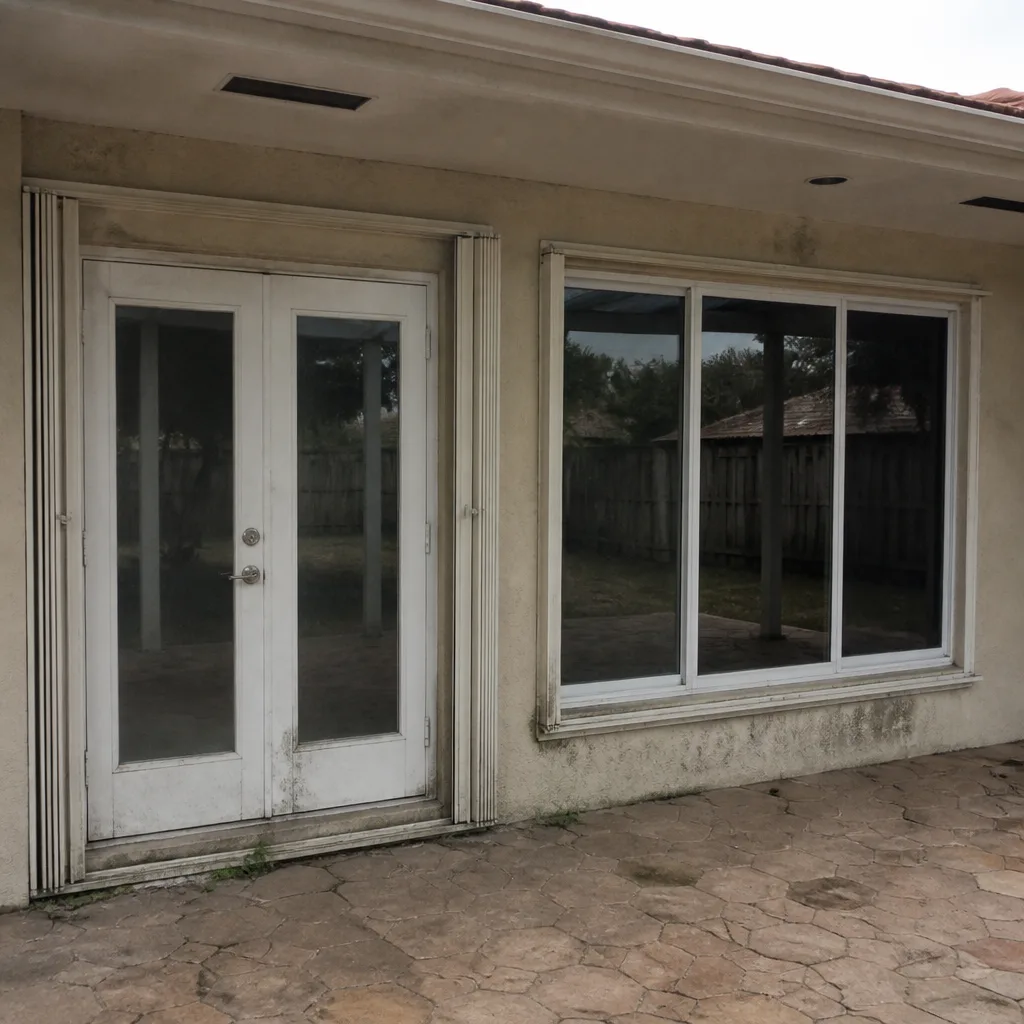 Before
 After
Seasonal Windows & Doors Care for Davie: Year-Round Homeowner’s Guide
Most homeowners in Davie replace windows and doors about fifteen years too early. Not because the products failed, but because the maintenance schedule never existed in the first place. A window is a mechanical system: frames move, seals flex, weep holes clog, rollers wear, and caulk joints open in ways that compound slowly until a fogged pane or a door that no longer latches forces a decision. This guide lays out a month-by-month, season-by-season care plan built around South Florida’s specific climate. If you follow it, your windows and doors will last years longer, perform better, and cost less to own. If you do nothing, the humidity in Davie will do the work for you.
Quick Answer
Seasonal window and door care in Davie means scheduling five specific maintenance pass-throughs each year: a spring cleaning and weep-hole clearance, a pre-hurricane hardware and seal check in May, a mid-summer track and roller adjustment, a fall weather-stripping and caulk inspection, and a winter frame and finish check. Each pass takes under two hours, costs little to nothing, and prevents the three most expensive problems we see in Davie: fogged double panes from failed seals, warped and binding doors from humidity cycling, and water intrusion along sill lines after heavy rain.
Table of Contents
- Why Davie’s Climate Is Harder on Windows and Doors Than Most Homeowners Realize
- The Five Pass Maintenance Framework
- Spring: Cleaning, Weep Holes, and Water Management
- Pre-Hurricane Season: May Hardware and Seal Check
- Summer: Tracks, Rollers, and Humidity Adjustment
- Fall: Weather-Stripping, Caulk, and Daylight Check
- Winter: Frame Finish, Condensation, and the False Dry Season
- Common Mistakes to Avoid
- When to Call a Professional
- Frequently Asked Questions
- The Bottom Line
Why Davie’s Climate Is Harder on Windows and Doors Than Most Homeowners Realize
Davie sits far enough inland that we don’t get the constant salt spray of Hollywood or Dania Beach, but we get something just as punishing: extreme humidity swings paired with intense afternoon thunderstorms and a summer sun that bakes western exposures for six straight hours. A west-facing window in Davie can hit surface temperatures above 140 degrees in August, then cool to the mid-70s after a 4 p.m. downpour. That thermal cycle expands and contracts aluminum frames, vinyl sashes, and glass every single day, and it is the quiet engine behind almost every seal failure we diagnose. Add in the fact that much of Davie sits on land that was once drained swampland, and you get high ambient soil moisture that drives humidity from below as well as above. The result: windows and doors in Davie need more attention than the same products would need in Orlando, Tampa, or Naples, and the failure modes are predictable once you know what to watch for.
In our experience serving Davie homeowners, there are three recurring patterns tied directly to this climate. First, sealed double-pane units fog most often on western and southern exposures, where daily thermal expansion is greatest. Second, sliding glass doors bind most often in July and August, when humidity pushes wood frames and even some composite materials to their maximum swell point. Third, water intrusion appears most often at sill corners and door thresholds after wind-driven rain, because caulk and weather-stripping that looked fine in March has been cooked and cracked by June. None of these are product defects in the manufacturing sense. They are maintenance failures that happen when a home follows a northern maintenance calendar that does not apply to South Florida.
The Five Pass Maintenance Framework
Rather than think of window and door care as a single annual chore, we teach Davie homeowners to think in five passes spaced across the calendar. Each pass targets the failure mode that is most likely to emerge in the season ahead. The passes take between 45 minutes and two hours depending on the size of the house, and none require special tools beyond what you already have in a kitchen drawer or a basic toolbox. Here is the framework we recommend, and the order matters:
- Spring pass (March-April): Clean every track, clear every weep hole, lubricate moving parts, and check drainage paths. This is the water-management pass.
- Pre-hurricane pass (May): Inspect latching hardware, check for loose screws in hinge and track assemblies, verify weather-stripping integrity, and flag any glass with chips or cracks. This is the structural-readiness pass.
- Summer pass (July-August): Adjust roller heights on sliding doors, tighten handles, test every lock, and check for binding at the strike plate. This is the humidity-adjustment pass.
- Fall pass (October-November): Replace worn weather-stripping, re-caulk failing joints, check for daylight gaps around door perimeters, and clean exterior glass. This is the sealing pass.
- Winter pass (December-January): Inspect wood frames for paint failure, check for condensation between panes after cold fronts, adjust strike plates for seasonal frame movement, and plan any replacements for the February-March dry window. This is the finish-and-planning pass.
Each pass is detailed in its own section below. The framework works because it aligns maintenance with the actual weather patterns Davie gets, rather than a generic template written for a four-season climate with snow and freezing temperatures. We don’t have a winter in the northern sense, but we do have a seasonal rhythm, and your windows and doors respond to it whether you notice or not.
Spring: Cleaning, Weep Holes, and Water Management
Spring in Davie is the transition from dry season to wet season, typically arriving in late March and settling in for good by mid-May. The ground is still relatively dry, afternoon storms are intermittent, and the punishing daily rain cycle has not yet fired up. That makes March and April the best months of the year to do the kind of deep cleaning that is miserable to do in summer heat. The spring pass is about water: making sure the water that hits your windows and doors has somewhere to go other than inside your walls.
Start with the tracks on every sliding window and sliding glass door. Davie’s dry season leaves fine dust and pollen that packs into track channels, and the first heavy rains of May will turn that dust into a paste that hardens like cement. A track full of hardened debris prevents the sash from seating fully, which leaves a small gap at the bottom that wind-driven rain will find. Vacuum out the tracks first, then wipe them down with a damp cloth, then use a thin tool to clear the weep holes at the bottom of each track on the exterior side. Weep holes are the small slots or holes that allow water that has entered the track to drain back outside. In Davie, weep holes clog with dirt daubers, lizard droppings, and fine silt, and a clogged weep hole turns a mild rain into an indoor puddle.
After the tracks are clear, lubricate the rollers or glides. Use a dry silicone spray on metal roller assemblies and a light household oil on pivot hinges. Avoid WD-40 on anything plastic; it attracts dust and can degrade nylon parts over time. On casement windows, put a few drops of penetrating oil on the crank mechanism gears and work the window through its full range of motion several times. On double-hung windows, check the balance cords or spiral balances for fraying or resistance, since a failed balance makes the window dangerous to lift and almost impossible to keep open in spring breezes.
Finally, inspect the exterior caulk line along the bottom sill of every window and door. Florida sun breaks down exterior caulk faster than almost anywhere else in the country, and a hairline crack at the sill corner is the entry point for rot in wood frames and corrosion in aluminum ones. If the caulk is dried, cracked, or pulling away, it is time to re-caulk. This is an hour’s work per opening and prevents the expensive repairs later.
Pre-Hurricane Season: May Hardware and Seal Check
Hurricane season in Davie begins June 1, but the smart money starts prep work in May, before the first named storm forms and before the scramble for plywood and shutters begins. For windows and doors, the pre-hurricane pass is not about impact glass if you already have it; it is about making sure every opening can lock, latch, and seal exactly as designed. A window that operates perfectly is a window that can protect your home. A window with a loose latch or a stripped screw is a window that can open itself in a storm.
Go through every window and door in the house and operate each one completely: open it fully, close it fully, lock it, unlock it, and test the lock tension. On sliding glass doors, inspect the track screws and the roller height screws; they loosen over time from daily use and vibration from traffic on local roads. On hinged doors, check every hinge screw, especially the top hinge, which carries the most load and loosens first. Tighten everything that moves, and if a screw spins without grabbing, replace it with a slightly larger wood screw, not the same size in a wallowed-out hole.
Inspect weather-stripping on doors and windows for compression failure. In Davie, the heat of May already begins to cook rubber and foam seals, and a seal that has lost its rebound does not stop wind-driven rain. If the stripping feels crunchy rather than springy, replace it. Also check the door sweep at the bottom of every exterior door; sweeps drag against thresholds and wear out flat in a year or two, and a worn sweep is the most common source of water and bug intrusion we fix in Davie homes.
Finally, inspect every pane of glass for chips, cracks, or impact marks from lawn equipment, and check the frames for any sign of movement: diagonal cracks above window corners, gaps that have widened, or doors that have recently started sticking where they never stuck before. Movement means settlement or moisture-related expansion, and it is always cheaper to address the cause early than to rebuild a buckled opening after a storm.
Summer: Tracks, Rollers, and Humidity Adjustment
Summer in Davie is not just hot; it is relentlessly humid, with dew points that hover in the mid-70s for weeks at a time and afternoon thunderstorms that arrive with almost mechanical regularity. Every material in your windows and doors responds to that humidity: wood swells, vinyl expands, aluminum moves, and the clearances that felt perfect in March disappear by July. The summer pass is about making mechanical adjustments that restore those clearances without forcing anything.
The most common summer complaint in Davie is a sliding glass door that suddenly binds or grinds. In most cases, the door did not break; the humidity simply swelled the frame or shifted the opening slightly, and the rollers need a height adjustment. Most sliding doors have adjustment screws at the bottom of the door panel, accessible through holes near each corner. Turning these screws raises or lowers the door in increments, and a quarter-turn is often all it takes to restore smooth travel. We tell homeowners to check the door’s movement once a month from July through September, and to adjust in tiny increments rather than cranking the screw far in either direction. If the door is off its track entirely, that is a different problem and usually means a damaged roller carriage.
Casement windows are the other major humidity casualty in Davie. The compression seals around a casement sash are designed to press tightly against the frame when closed, and when the frame swells in summer, the handles can become hard to turn, or the window will not seal at the corner opposite the hinge. If the handle is stiff, do not force it; the gear teeth in the operator will strip. Instead, open the window fully, examine the hinge track for corrosion or debris, and clean it with a stiff brush before applying a light oil. If the window still refuses to close evenly, the hinges themselves are likely worn or the frame has moved, which calls for a professional adjustment rather than more lubrication.
Condensation on the outside of high-performance Low-E glass is normal in Davie’s summer mornings, and it actually means the glass is doing its job. Condensation between the panes is never normal and means the sealed unit has failed. More on that in the winter pass. For now, focus on making sure the moving parts move, the locks throw fully, and the seals meet the frame evenly all the way around.
Fall: Weather-Stripping, Caulk, and Daylight Check
Fall in Davie is the quiet season for weather, but it is the loud season for pest pressure and the best season for identifying air leaks you could not feel during summer. By late October, afternoon storms taper off, humidity begins to dip, and cooler evening temperatures create enough of an indoor-outdoor temperature difference that air leaks become easy to find with a simple test. Walk every room at dusk, turn off the interior lights, and look at the perimeter of each window and door from inside. Any gap that shows daylight means air, water, and insects can pass through.
There are two common culprits we find in Davie homes every fall. The first is worn or compressed weather-stripping at the jambs and head of entry doors, where years of door slams have flattened the seal. The second is a worn or missing door sweep at the bottom of the door, which is less about daylight and more about the line of ants marching under the door during the first dry spell. Both are simple repairs that take minutes and cost under thirty dollars in materials. Replace stripping with the same profile as the original, and choose a sweep that makes firm contact with the threshold but does not drag so hard that it complicates closing the door.
For windows, the fall pass is the time to re-check the exterior caulk you inspected in spring. The summer sun has now had a full season to work on any joints that were marginal, and the cool mornings of late October reveal shrinkage. Use a polyurethane-based caulk rated for outdoor use with a 50-year or lifetime rating; cheaper acrylic caulk will crack again within a season in Davie’s UV environment. Pay special attention to the joint between brick or stucco and window frames, since these two materials expand at different rates and stress the joint daily.
If you find multiple leaks or daylight gaps on windows that are more than 20 years old, use the fall pass to plan ahead. We routinely find homeowners in Davie who wait until a January cold snap or a summer storm to decide they need new windows or doors, then end up choosing quickly under pressure. Fall is the time to evaluate. Our team at TruePane Windows & Doors home sees this pattern every year: homeowners who scheduled an estimate in October make better decisions than homeowners who called in desperation in August with water coming through the door.
Winter: Frame Finish, Condensation, and the False Dry Season
Davie’s winter is a short, mild, and mostly dry stretch from mid-December through February. Cold fronts push through every week or two, bringing brief temperature drops and low humidity, and the rest of the time it is what the rest of the country would call a pleasant fall. But for windows and doors, winter in Davie is when the truth reveals itself. The dry air draws moisture out of wood and caulk, and the repeated expansion and contraction of the summer months shows up as cracks, separation, and the fogged glass that confirms a failed thermal seal.
The first winter symptom to watch for is permanent condensation that appears between the panes of double-glazed windows, typically after a cold front brings a sharp temperature change. The fog may come and go for weeks, appearing in the morning and clearing by afternoon, and homeowners often mistake it for surface condensation. Surface condensation wipes off with a cloth. Between-pane condensation cannot be wiped; it is trapped in the sealed air space. Once you see it, the sealed unit has failed, and no amount of cleaning or waiting will restore it. The fix is replacement of the glass unit, and in many cases it makes sense to evaluate the entire window at the same time, especially if the frame is old enough that new glass does not solve problems the frame itself will soon develop.
For wood-framed windows and doors, winter is the season to inspect the paint and finish. Davie’s summer humidity and winter dry spells create a seasonal cycle that blisters paint and opens the wood to moisture intrusion. Walk the exterior of the house and look for peeling paint, exposed end grain at the bottom of door slabs, and any area where the finish feels soft or appears darker than the surrounding wood. Soft wood means the early stages of rot, and the dry winter window is the ideal time to sand, treat, and repaint, because the repair will cure properly without the constant rain of summer.
Finally, winter is the planning season for any replacement work you are considering. February and early March are the driest months of the year in Davie, which makes them the best months for installation work that requires sealing and caulking around new openings. Paint cures, caulk sets, and crews work more efficiently when it is 72 degrees and dry than when it is 92 degrees and wet. If you have been nursing along an old door or a fogged window through the holidays, the winter pass is the time to get a real estimate and schedule the work for the dry window before the spring rains return.
Common Mistakes to Avoid
- Ignoring weep holes until water appears inside. In Davie, weep holes clog silently over the winter and spring, and the first sign of trouble is water bubbling out from under the track during a June storm. Clean them every spring, and check them after any prolonged period of construction dust or landscaping work nearby.
- Forcing a swollen door or window closed with body weight. Humidity makes materials swell, and forcing the issue bends hardware, strips screw holes, and cracks frame joints. If a door does not close with normal effort, adjust the hardware or call someone who will, rather than turning the handle into a lever.
- Using the wrong lubricant on tracks and rollers. Greasy sprays and penetrating oils attract dust and grime in Davie’s humid air, and in a few weeks the track is worse than before. Use a dry silicone spray on sliding tracks and a light machine oil on hinges and cranks, nothing else.
- Painting over caulk joints instead of replacing the caulk. Paint fills the visible crack but does not restore the seal, and it will crack again within a season as the joint continues to move. Remove the old caulk, clean the joint, apply new elastomeric caulk, and then paint if the color requires it.
- Waiting for hurricane season to check impact windows or shutters. By the time a storm is in the Atlantic, every homeowner in Davie is scrambling for hardware and hardware stores are sold out. Check your windows and doors in May, when parts are available and installation crews have open schedules.
- Assuming a fogged window just needs cleaning. We see homeowners scrub fogged panes for weeks before they realize the condensation is inside the sealed unit. If the fog does not wipe off the exterior surface, the window has failed, and the only fix is replacement of the glass.
- Doing all the maintenance in one exhausting weekend. The five-pass framework exists because each pass targets a specific seasonal failure mode. Spreading the work across the year means each pass is short, focused, and unlikely to get skipped because the single big maintenance weekend never happens.
When to Call a Professional
Some window and door maintenance is genuinely DIY work: cleaning tracks, clearing weep holes, tightening screws, and checking weather-stripping are all within reach of any careful homeowner. But there are moments in Davie where the right move is to stop and call someone with experience and the right tools. If you see condensation between the panes of a double-glazed window, the sealed unit has failed and the repair involves glass replacement with equipment that most homeowners do not have. If a sliding door has come off its track, forcing it back can bend the track and damage the roller carriage. If a window or door will not latch because the frame has shifted, continued use will only make the movement worse. And if you see soft, dark, or crumbling wood around any exterior frame, the rot needs to be cut out and replaced before it spreads into surrounding structure.
TruePane Windows & Doors offers free estimates in Davie, and we are at the end of the phone at (863) 208-5172 when you need an honest answer about whether a window or door is worth saving or has reached the end of its life. We carry PGT, CGI, and Simonton lines among others, and we quote them side by side on paper so you can see exactly what you are comparing. If the opening can be repaired, we will tell you that too, with a written price. A square deal, done right.
Frequently Asked Questions
Twice a year at minimum: once in March or April before the rainy season starts, and once in late October after the summer dust has settled. If you live near a construction site, a dirt road, or an agricultural operation in Davie, clean them quarterly; fine silt from those sources clogs weep holes faster than anything else we see. A track that drains properly keeps water outside where it belongs.
A typical replacement sealed unit for a standard residential window in Davie runs between $180 and $450 installed, depending on glass dimensions, Low-E coating, and whether the frame requires any repair during the swap. Impact-rated or specialized glass from manufacturers like PGT or CGI runs higher, with many units between $400 and $900. The exact number depends on the specific window, which is why we give written, line-item quotes after measuring the opening in person. Call (863) 208-5172 for a free estimate, and we will tell you the exact price before you decide anything.
The frame and door panel absorb moisture during Davie’s humid summer months and expand, which reduces the clearance between the door and the track. When winter arrives and the air dries out, the materials contract and the door slides freely again. The fix is usually a simple roller height adjustment rather than planing or sanding, which damages the door. We adjust this on Davie homes every summer, and it typically takes under an hour.
If you are replacing windows specifically for hurricane protection, the best time to install is in late winter or early spring in Davie, when dry weather allows for proper sealing and caulking around the new openings. Waiting until a storm is approaching means rushed decisions and a longer wait for product. Impact-rated windows from manufacturers like PGT and CGI are built to Miami-Dade standards, and once installed with proper anchoring, they provide protection without the need for shutters or panels.
You should replace the door when the frame has rot that extends more than a few inches from an edge, when the door slab has warped enough that it will not seal evenly on all sides, or when the hinges have pulled loose from the frame so badly that screws will no longer hold. A door that binds in one season and gaps in another is telling you the frame is moving, and continued repairs will not fix the underlying problem. We evaluate this with a level, a straightedge, and a moisture meter, and we will show you the readings.
We service and repair sliding glass doors, window hardware, weather-stripping, and seal failures, including roller replacement, track repair, and glass replacement. TruePane Windows & Doors home services page covers the repair menu in detail. If the repair is not the right financial decision, we will tell you before we take the job, and we price the replacement honestly so you can compare.
The Bottom Line
Windows and doors in Davie live in a humid, hot, storm-prone climate that breaks down seals, hardware, and caulk on a predictable schedule. The five-pass maintenance framework we have laid out here aligns your care with the actual seasons we get, not the four-season template you will find in generic guides. Spring is for water management, May is for structural readiness, summer is for humidity adjustments, fall is for sealing and pest prevention, and winter is for honest evaluation and planned replacements. A homeowner who follows this schedule spends less on repairs, replaces windows and doors less often, and gets more life out of every installation. And when a project is beyond maintenance, we are here in Davie, at the end of the phone, with a written price and a name behind it. Call (863) 208-5172 for your free estimate, and we will be there when we say.
Written by the team at TruePane Windows & Doors.
Six Reasons Homeowners Choose TruePane Windows & Doors
Impact systems engineered to design pressures up to +/-100, matched to your wind zone - your openings hold when the storm arrives.
Low-E insulated impact glass from our manufacturer lines commonly cuts monthly cooling bills 20-30%.
Laminated impact glass shuts out up to 40% of outside noise - traffic, neighbors, weather.
Monitoring services run $30-90 a month. Laminated impact glass resists forced entry around the clock, with no subscription.
Florida homeowners average around 25% savings on the windstorm portion of their policy after protecting every opening - some homes qualify for more.
A full impact package upgrades curb appeal, buyer confidence and appraised value in one project.