
Last updated August 25, 2026
Free in-home measure and quote - PGT, CGI and CWS impact lines compared on your actual openings, style by style
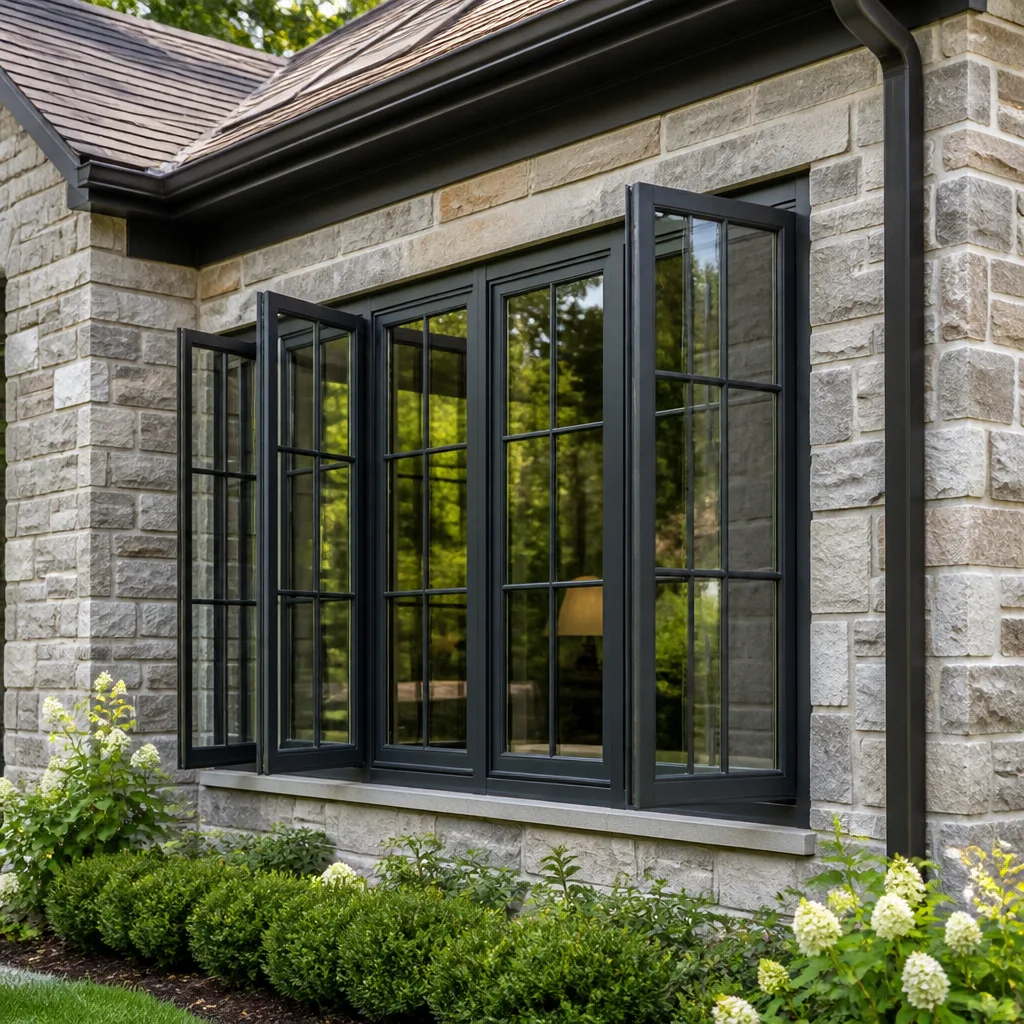
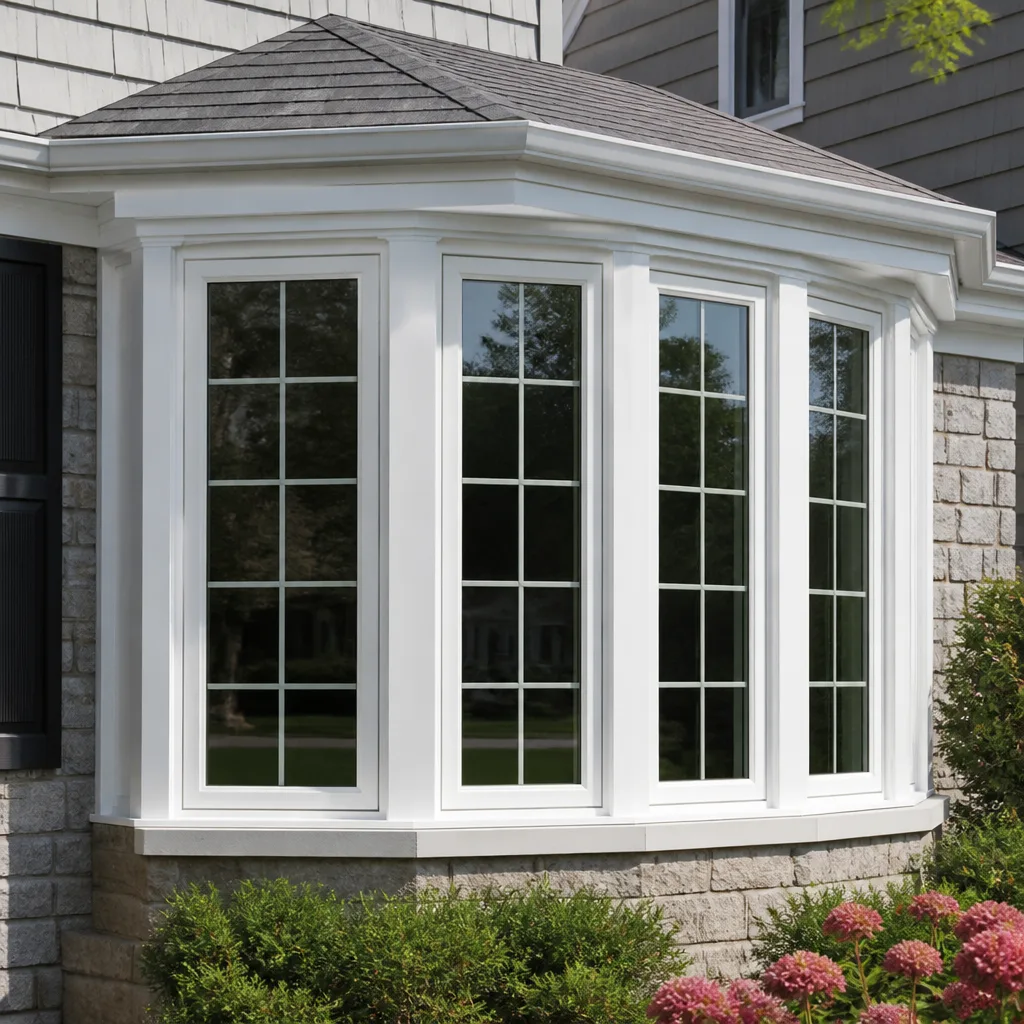
Sliding glass doors
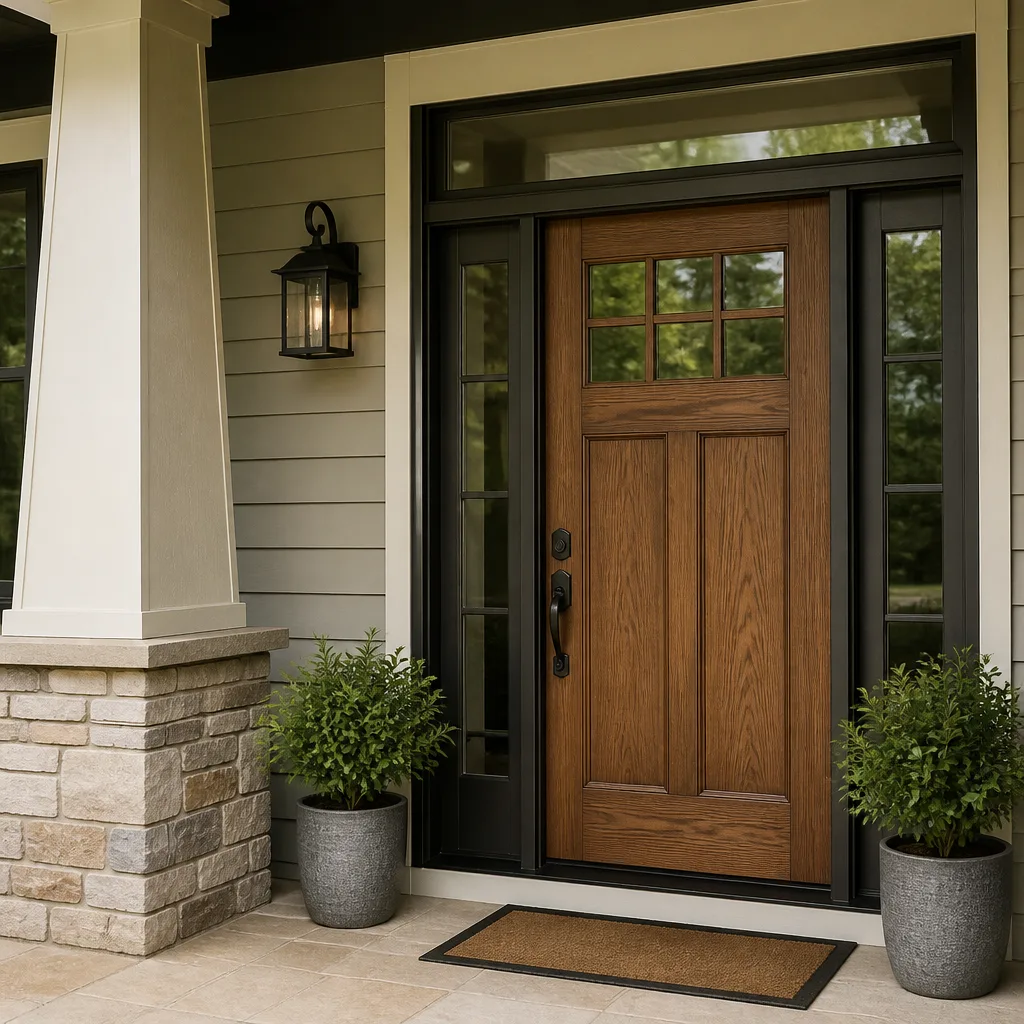
Impact garage doorsPGTCGI
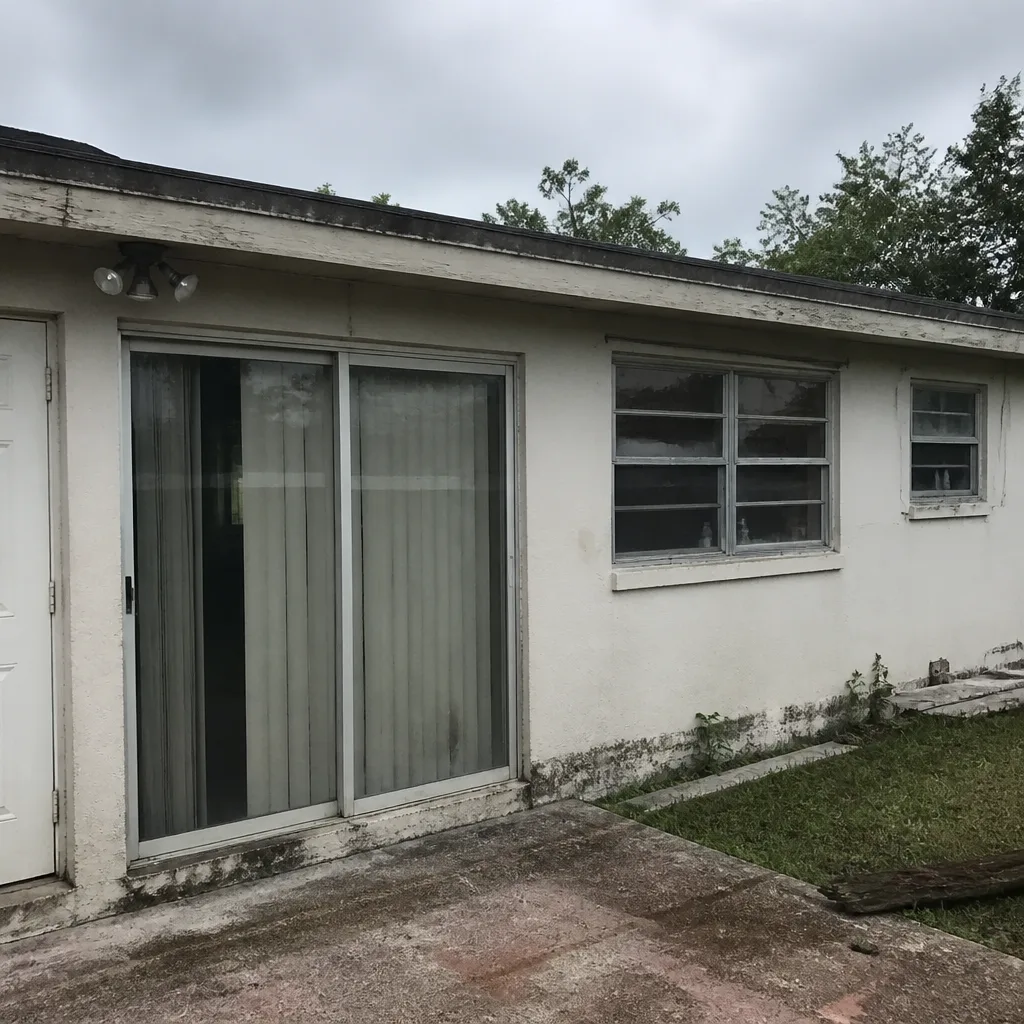 Before
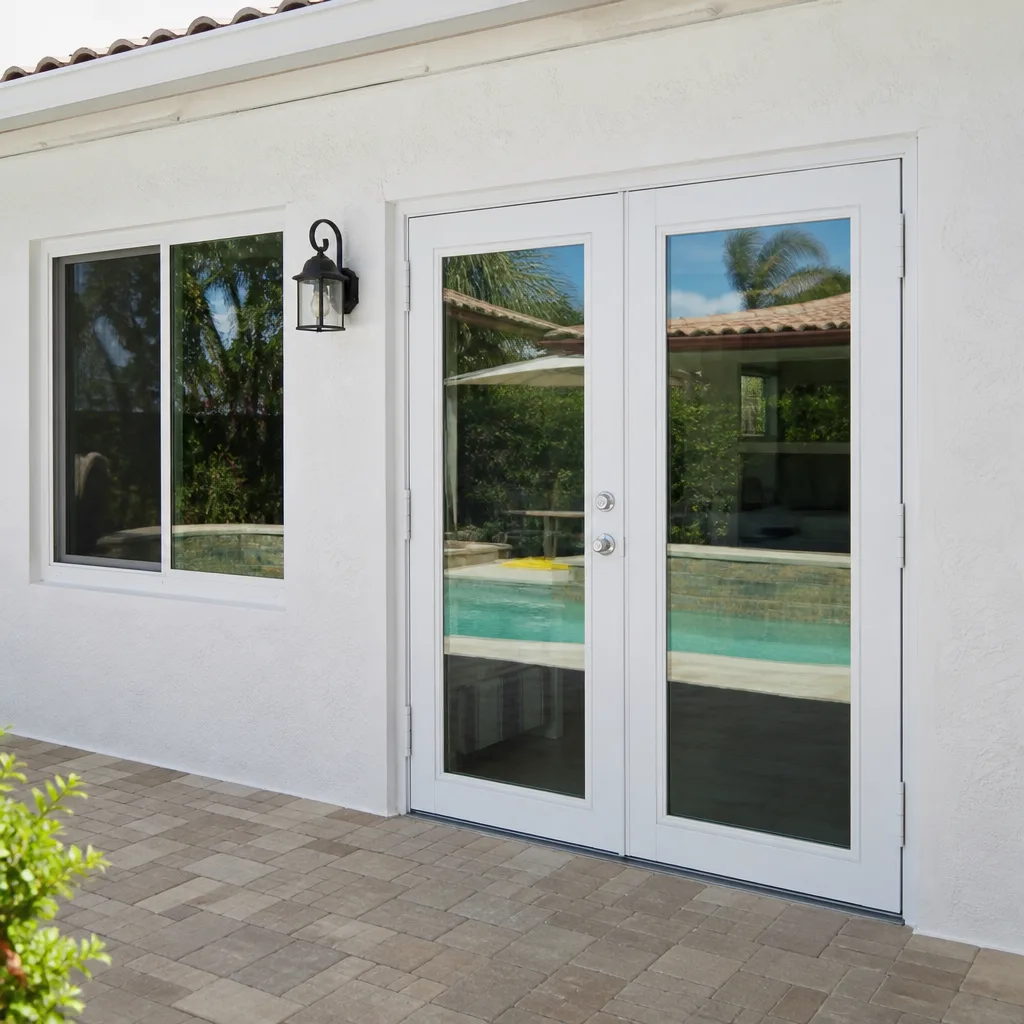 After
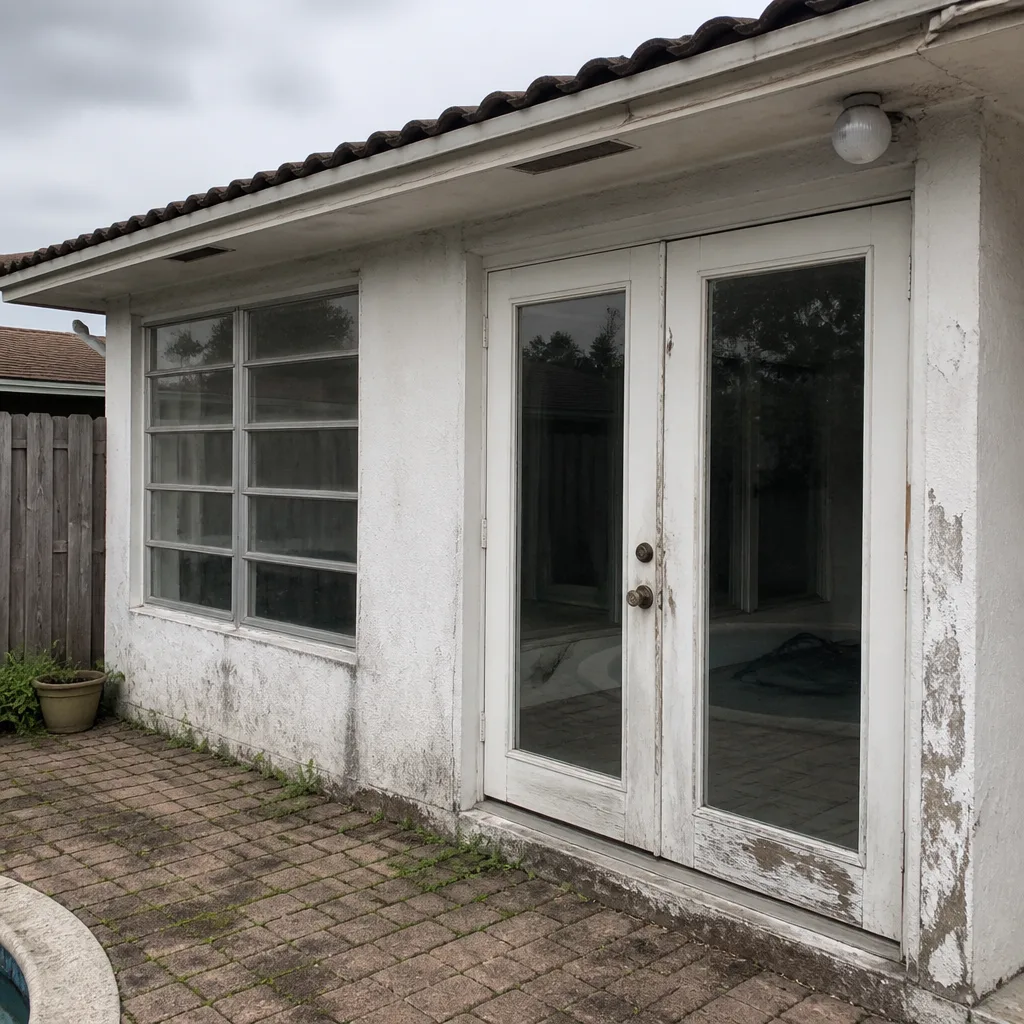 Before
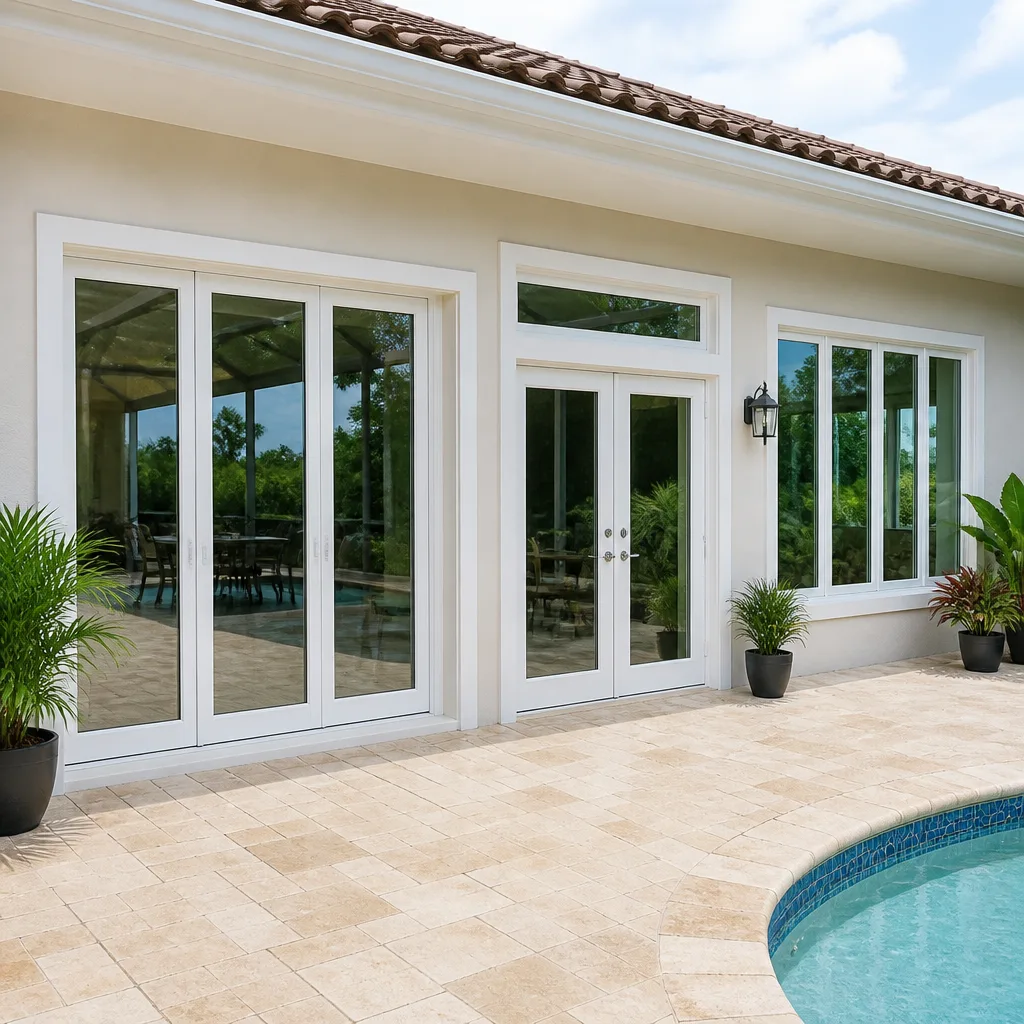 After
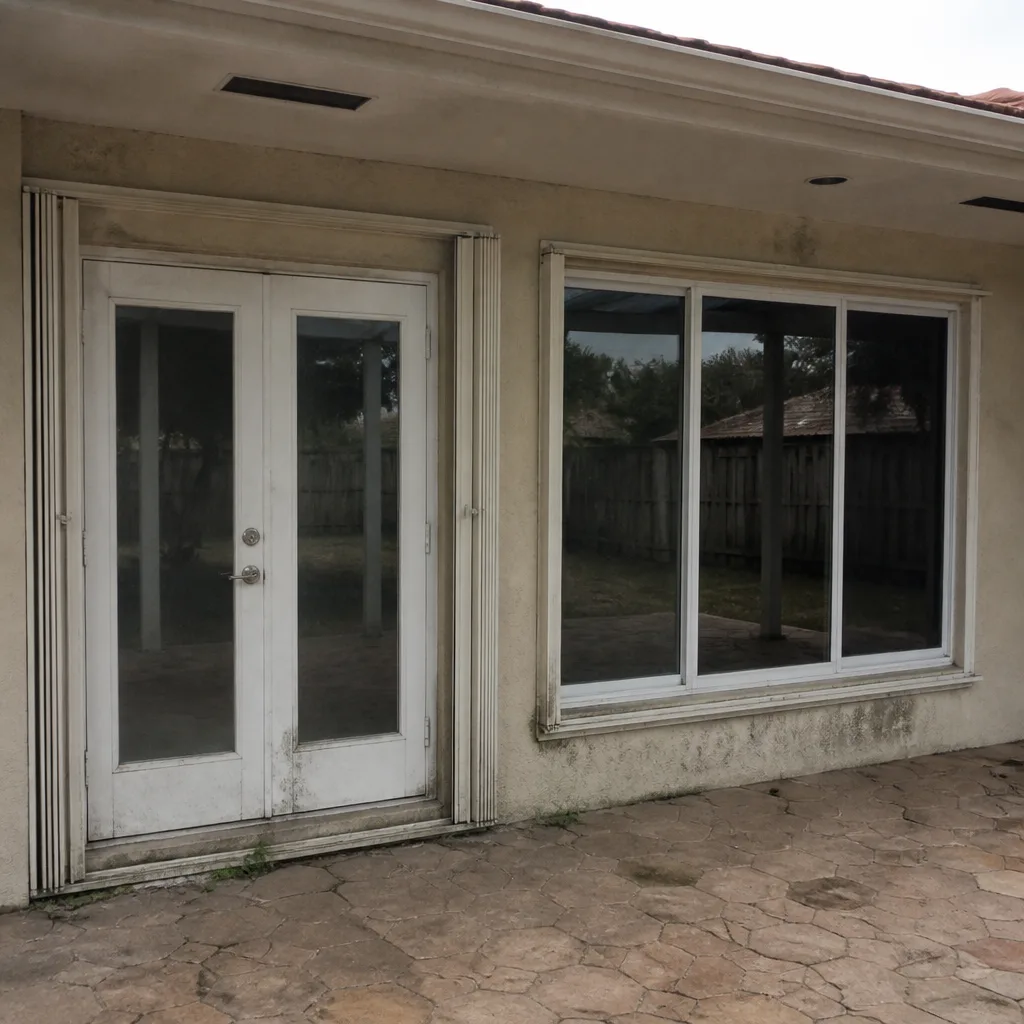 Before
 After
Windows & Doors Permits, Codes & Inspections in FL: What You Need to Know
Florida is one of the few states where a window is not just a window. It is a structural component, a wind-load calculation, and a line item on an insurance policy that can make or break a claim. In Davie and across Broward County, the rules that govern window and door replacement draw from the Florida Building Code (FBC), which exists for one reason: hurricanes. If you read nothing else, understand this: the permit exists to verify that your new windows and doors will not become projectiles in a storm, and the inspection exists to verify that the permit was not a formality. This guide walks through what actually happens, step by step, so you know what to expect before the first pane comes out.
Quick Answer
In Florida, window and door replacement almost always requires a permit, and the work must comply with the Florida Building Code’s wind-load requirements for your specific location. The permit is pulled by the contractor or homeowner, the installation is inspected at least once, and the final inspection is what proves the job is code-compliant and protects your insurance coverage. Most window and door projects in Davie follow the same structural permit path whether you are replacing one window or twenty.
Table of Contents
- Why Florida Is Different: The Code Behind the Permit
- When a Permit Is Required in Florida (and When It Isn’t)
- Who Pulls the Permit: Homeowner vs. Contractor
- The Permit Process Step by Step in Davie
- Florida Building Code Requirements for Windows and Doors
- Inspections: What the Inspector Looks For
- Cost, Timeline, and Paperwork
- Common Mistakes to Avoid
- When to Call a Professional
- Frequently Asked Questions
- The Bottom Line
Why Florida Is Different: The Code Behind the Permit
Florida adopted its first statewide building code in 2002, a direct response to Hurricane Andrew in 1992. The damage Andrew did to South Florida exposed how inconsistently windows, doors, and roofs had been installed and inspected. Before 2002, a contractor’s word and a handshake often replaced structural math. The Florida Building Code changed that, and it has been updated every three years since.
The current code (the 8th Edition took effect December 31, 2023, with local adoption dates varying) treats windows and doors as part of the building envelope. That means a window in Davie is not judged by whether it opens and closes cleanly. It is judged by whether it can withstand the design wind pressure for the site, whether it is anchored properly to the surrounding structure, and whether the glazing meets impact or protection requirements if the opening sits in a wind-borne debris region.
Broward County sits entirely within the High Velocity Hurricane Zone (HVHZ), which is a stricter tier of the code applied to Miami-Dade and Broward counties. This is a meaningful distinction. A window tested to the Florida Building Code standard for Orlando may not be approved for Davie. The HVHZ requires Miami-Dade or Florida product approvals, stricter anchoring schedules, and, in many cases, impact glazing or shutters even on inland homes. In our experience, homeowners who move to Davie from other parts of the state are often surprised to learn their previous county’s window package does not transfer.
Here is what the HVHZ tier means in practical terms for your project:
- Wind-load calculations are site-specific and based on the home’s location, exposure category, and roof height. The permit application requires this data.
- Product approvals must be current Florida Product Approvals or Miami-Dade Notices of Acceptance, not just a manufacturer’s marketing sheet.
- Impact protection is required for glazed openings in the wind-borne debris region, which includes nearly all of Broward County. This means impact-rated windows or, where the code permits, shutters or panels.
- Anchoring requirements are more demanding in masonry construction than wood frame, and Davie has both: older CBS (concrete block stucco) homes and newer wood-frame construction.
The permit process exists to make sure the floor holds. The TruePane Windows & Doors home page explains our approach to installations that meet the code without treating it as the finish line.
When a Permit Is Required in Florida (and When It Isn’t)
The short answer: if you are replacing a window or door with a unit of the same size in the same opening, you still need a permit in Florida. The idea that a “like-for-like” swap is exempt is one of the most common misunderstandings we hear from Davie homeowners. The Florida Building Code allows some minor repairs without a permit, but a full window or door replacement is not minor by code definition.
Here is the breakdown of what does and does not require a permit in Florida:
Permit Required
- Replacing any window, regardless of whether the opening size changes
- Replacing any exterior door, including sliding patio doors and French doors
- Enlarging or reducing a window or door opening (this also requires a structural review of the header)
- Converting a window to a door or a door to a window
- Installing impact windows or doors where none existed before
- Adding new windows or doors to an existing wall
Generally Exempt (No Permit)
- Replacing broken glass or a pane within an existing frame, if the frame itself is not removed
- Replacing window or door hardware: hinges, handles, locks, weatherstripping
- Replacing a window screen or a screen enclosure panel
- Caulking, sealing, and basic weatherproofing repairs that do not disturb the rough opening
- Adjusting or lubricating tracks, rollers, and balances
There is one nuance worth knowing: some jurisdictions allow a “repair” permit or a “minor alteration” permit with a shorter review path for a single like-for-like window. Davie’s Building Division has historically processed straightforward window and door replacements as standard structural permits, but the application still requires the same product approvals and wind-load data. The permit type may differ by municipality, but the code requirement does not.
If a handyman tells you a window swap does not need a permit because it is the “same size,” walk away. That advice is incorrect in Florida and it will surface again at the worst possible time: when you sell the house or file an insurance claim.
Who Pulls the Permit: Homeowner vs. Contractor
Florida allows homeowners to pull their own permits on their primary residence, but the decision has consequences. Here is how it breaks down.
When a Contractor Pulls the Permit
This is the standard path for most window and door projects in Davie. The contractor submits the application, pays the fee, schedules inspections, and is responsible for correcting any failed items. The contractor’s license is tied to the permit, which means the building department has a licensed professional accountable for the work. When TruePane pulls a permit on a Davie project, we carry the responsibility through final inspection. That is how it should work.
When a Homeowner Pulls the Permit
Florida statute allows an owner-builder permit for work on a homesteaded primary residence. The homeowner signs an affidavit acknowledging that they are acting as their own contractor. This path is legal and can save the contractor’s permit fee, but it transfers responsibility. The homeowner becomes responsible for:
- Ensuring the work complies with the Florida Building Code
- Scheduling and passing inspections
- Correcting any code violations found at inspection
- Liability for injuries or damage during the project
In practice, some homeowners pull their own permit to save a few hundred dollars, then still hire a contractor to do the physical work. This creates a dangerous gray zone. If something goes wrong, the building department holds the permit holder accountable. The contractor’s insurance typically does not cover work performed under an owner-builder permit. We counsel Davie homeowners to let the licensed contractor carry the permit. The fee is a small price for clear accountability.
Licensing Requirements in Florida
Any contractor performing window and door replacement in Florida must hold a state license. Relevant license categories include Certified or Registered General Contractor, Building Contractor, Residential Contractor, or a specialty license covering doors and windows. The license number must appear on the permit application. Before hiring anyone in Davie, verify the license at the Florida Department of Business and Professional Regulation website. A handyman without a license cannot legally pull a window permit in Florida.
The Permit Process Step by Step in Davie
Here is the sequence we follow on typical Davie window and door replacement projects. The same sequence applies whether the job is a single sliding door or a full-house window package.
- Product selection and wind-load determination. Before the permit application is drafted, we confirm the product approvals for the specific windows or doors and calculate the design pressure rating required for the home’s location. In Davie, most single-family homes fall into Exposure B or C, depending on lot size, tree cover, and proximity to open water or the Turnpike corridor.
- Permit application and plan submission. We submit the application to the Town of Davie Building Division with the product approval documents, wind-load calculations, a site plan or elevation drawing showing which openings are being replaced, and the contractor’s license and insurance certificates. For larger projects, the town may require architectural drawings.
- Plan review. The building department reviews the submittal for code compliance. Standard window replacements in Davie typically take one to two weeks in plan review. More complex jobs with structural changes to openings take longer. The review may produce a comment or request for additional information, which we address and resubmit.
- Permit issuance. Once the application clears review and fees are paid, the permit is issued. The approved plans and permit card must be on site for every inspection.
- Installation. The existing windows or doors are removed, the openings are prepared, flashing and sealants are applied per manufacturer instructions and code, and the new units are anchored per the approved schedule. This is the phase where the quality of the work is actually determined, long before the inspector arrives.
- Inspections. Depending on the scope, the town may require a rough-in inspection (often combined with the final for replacements) and a final inspection. The inspector verifies anchoring, flashing, impact labeling, and that the installed products match the permitted submittal.
- Permit closure. Once all inspections pass, the permit is closed. Keep the closed permit record. You will need it for insurance documentation and any future sale.
One thing Davie homeowners should understand: the inspection is a verification step, not a quality audit. The inspector checks for code compliance at specific points, not whether the window was installed with care in every detail. That is why the installer matters as much as the permit.
Florida Building Code Requirements for Windows and Doors
The Florida Building Code is a detailed document, but the requirements that affect window and door replacement in Davie fall into a few consistent categories. Understanding these helps homeowners evaluate bids and spot corners being cut before the permit is even filed.
Design Pressure (DP) Rating
Every window and door installed in Florida must have a design pressure rating equal to or greater than the design wind pressure for the specific location. Design pressure is expressed in pounds per square foot (psf) and accounts for wind speed, building height, exposure, and internal pressure. In Broward County, the required DP ratings often fall in the range of ±50 to ±70 psf for typical single-family homes, but higher for taller buildings, homes near open water, or large openings. The product approval document lists the tested DP rating. The permit application must show the required rating and the product’s rating side by side.
Impact Protection and the Wind-Borne Debris Region
Broward County sits inside the wind-borne debris region defined by the code. That means glazed openings must be protected from flying debris. You have two paths to compliance. The first is impact-rated windows and doors, which are tested to withstand a 9-pound 2×4 fired at 50 feet per second without penetration. The second is non-impact windows paired with approved shutters, panels, or other protection devices that meet the same standard. In Davie, most full replacement projects choose impact-rated glazing because it eliminates the shutter requirement from the outset and often reduces windstorm insurance premiums.
Product Approval Numbers
Every window and door installed in Florida must carry either a Florida Product Approval or a Miami-Dade Notice of Acceptance. The product approval is specific to the manufacturer, the product line, the frame material, the glazing configuration, and the anchoring method. It is not transferable between manufacturers and it is not satisfied by a spec sheet. A window with a Florida Product Approval number is traceable to its test reports, which the inspector sees on the permit documents. Reputable manufacturers like PGT and CGI maintain extensive Florida approval listings precisely because the state market depends on them.
Anchoring and Flashing
The code requires windows and doors to be anchored to the surrounding structure per the manufacturer’s tested installation method. In Davie’s CBS homes, that typically means fasteners into the concrete block at specific intervals, with the fastener type and embedment depth listed in the product approval. Wood-frame homes use a different schedule. Flashing and sealants must create a water-resistant barrier at the head, sill, and jambs. In our experience, the anchoring is where rushed installers deviate from the approved method: wrong fastener length, missed anchors at corners, or substituting a generic anchor for the tested product. The inspector may catch a fraction of these. The rest show up years later as leaks or loosened frames.
Energy Code Requirements
Florida adopted the 8th Edition energy code provisions, which include U-factor and Solar Heat Gain Coefficient (SHGC) maximums by climate zone. Broward County is in Climate Zone 1, which sets stricter SHGC limits than northern parts of the state. Replacement windows in Davie must meet or exceed the prescriptive or performance-based compliance path for the home. Impact glazing typically includes low-emissivity coatings that satisfy the SHGC requirement, but verify this on the product approval before assuming it.
Inspections: What the Inspector Looks For
When the Town of Davie inspector arrives for a window or door inspection, the check is methodical and fairly quick. Here is what they are there to confirm.
1. The permit card and approved documents are on site. If the permit card is not posted and the approved plans are not available, the inspection may be failed on the spot. This is a paperwork failure, not a workmanship failure, but it costs time either way.
2. The installed products match the permit. The inspector compares the manufacturer name, product line, and approval number on the installed window or door against the submittal. A substitution that was never updated on the permit is a common failure. This is also why a verbal agreement to “upgrade” a window line mid-project needs a permit revision before inspection.
3. The impact or wind-borne debris protection labels are visible. Impact-rated windows and doors carry a permanent label or etched marking showing the manufacturer, the standard, and the approval reference. The inspector looks for that marking. If the label is covered by trim or painted over, the inspection can fail until the marking is exposed.
4. Anchoring matches the tested schedule. For exposed rough openings (often checked at a rough-in or on projects where the trim is not yet applied), the inspector may verify fastener type, spacing, and embedment. On many replacement projects, the final inspection happens with the trim installed, which limits what the inspector can see. That makes the rough-in inspection, when required, the more thorough check.
5. Flashing and sealant are present and properly lapped. The inspector looks for flashing at the head and sill and sealant continuity around the perimeter. In masonry homes, this includes the sill flashing detail that directs water out and away from the wall assembly.
The inspection does not check whether the window operates smoothly, whether the reveal is even, or whether the caulk line is straight. Those are workmanship matters that sit outside the code’s scope. That distinction is exactly why TruePane treats the inspection as the minimum, not the goal.
Cost, Timeline, and Paperwork
Here is what Davie homeowners can expect to pay and wait at each stage of the permit and inspection process. These are typical ranges based on current Town of Davie fee schedules and Broward County permit activity, not quotes.
Permit and Inspection Fees
| Item | Typical Range in Davie |
|---|---|
| Window/door permit application fee | $50 - $250 depending on scope |
| Plan review fee | $50 - $200 |
| Inspection fee (per inspection) | $40 - $100 |
| Total permit cost (typical single-family window replacement) | $200 - $600 |
The permit fee is separate from the installation cost. Any licensed contractor’s bid should identify whether the permit fee is included in the quoted price or billed as a separate line item. At TruePane, the permit cost is part of the written estimate, so there is no surprise line item on the final invoice.
Timeline
For a standard like-for-like window replacement in Davie, plan review typically takes one to two weeks. Permit issuance follows within a few days of review approval. Installation for a typical full-house window replacement runs two to five days. Inspections are scheduled within one to three business days of request in most cases. From permit application to closed permit, a straightforward project usually spans three to five weeks. Larger projects with structural changes run longer.
Paperwork to Keep
After the job closes, keep these records together:
- The closed permit record
- The product approval documents for the installed windows and doors
- The manufacturer warranty registration confirmations
- The contractor’s written warranty
- Photos of the installation, especially flashing and anchoring before trim cover
That paperwork becomes valuable if you sell the home, renew windstorm insurance, or need to prove compliance after a storm. We register both manufacturer warranty layers in writing before our team leaves the driveway as part of The Keystone Standard, and we recommend every homeowner keep that documentation with the permit file. It is the fastest way to protect the investment.
Common Mistakes to Avoid
These are the mistakes we see most often when we are called into Davie homes after another install has gone sideways.
- Skipping the permit entirely. This is the single most expensive mistake a homeowner can make in Florida. Unpermitted window work can stall a home sale, void an insurance claim, and require demolition of otherwise sound installations. No legitimate contractor will suggest skipping it.
- Hiring an unlicensed installer. Florida law requires a license for window and door replacement. An unlicensed installer cannot pull a permit, which pushes the homeowner into the owner-builder trap or into doing the work without a permit at all.
- Assuming “same size” means “no wind-load review.” A window the same physical dimensions still requires a design pressure calculation for the opening. The size is only one factor; location, exposure, and roof height all affect the required rating.
- Buying windows online without Florida product approvals. A nationally marketed window that carries a Texas or Arizona approval may not have a Florida Product Approval. Without it, the permit in Davie will be rejected at plan review, and the homeowner is stuck with product they cannot install legally.
- Letting the installer skip the rough-in inspection. Some installers will push to go straight to final with the trim already covering the anchoring. If the rough-in inspection is required by the permit, skipping it leaves the structural work unverified. Insist on the full inspection sequence.
- Treating impact windows as automatic insurance savings. Impact windows can reduce windstorm premiums, but the discount depends on the policy, the insurer, and the specific products installed. Verify the savings with your agent before budgeting around them.
- Painting over impact labels. The permanent labels on impact windows and doors are part of the compliance record. Painting over them can cause a failed inspection and complicate a future insurance claim.
When to Call a Professional
Any window or door replacement in Florida with a permit attached is licensed-contractor territory. If the project involves impact glazing, structural alterations to openings, second-story access, or homes in Davie’s older CBS construction, the case is stronger still. The permit process is unforgiving with amateur tolerance levels, and the inspection only verifies the parts the inspector can see. TruePane Windows & Doors offers free estimates in Davie. Call (863) 208-5172 and we will walk the project with you, explain what the permit will require, and put the numbers on paper before anything is signed.
Frequently Asked Questions
Yes. Window and exterior door replacement requires a permit in Florida, including in Davie, even when the new unit is the same size as the old one. The permit verifies wind-load compliance, product approvals, and anchoring under the Florida Building Code.
A typical window or door replacement permit in Davie costs between $200 and $600 total, including application, plan review, and inspection fees. The cost varies with project scope and structural changes. Call (863) 208-5172 for a written estimate that includes the permit line item.
Yes, Florida allows an owner-builder permit on a homesteaded primary residence, but it transfers accountability for code compliance, inspections, and liability to the homeowner. The owner-builder path is rarely the right choice for window work because it can void contractor insurance coverage and complicate correction of any failed inspection.
Homes in Davie fall within the wind-borne debris region, so glazed openings must either be impact-rated or protected by approved shutters or panels. Impact windows are not the only compliance path, but they are the most common choice for full replacements because they meet the requirement permanently and often reduce windstorm premiums.
Unpermitted window and door work can surface during a home sale, an insurance claim, or a code complaint, and the homeowner is typically responsible for correcting it. The remedy often requires a retroactive permit, which means opening walls or removing trim to expose anchoring for inspection, plus penalty fees. It is cheaper to permit the job correctly the first time.
A standard window or door replacement permit in Davie typically takes one to two weeks in plan review, with installation and inspections adding two to three more weeks depending on scope. From application to closed permit, most projects land in the three-to-five-week range. Call (863) 208-5172 for a project-specific timeline.
The Bottom Line
Florida’s window and door permit process is not optional paperwork; it is the structural safety net that protects your house in a storm and your equity in a sale. The code sets the floor, the inspection verifies compliance, and the closed permit is your proof. What none of those things fully measure is workmanship, which is why who installs the window matters as much as what gets filed. In Davie, homeowners who do this once want it done right the first time. That means a licensed contractor, a proper permit, a passed inspection, and paperwork kept in a folder long after the technician leaves. That is the whole job.
Written by the team at TruePane Windows & Doors.
Six Reasons Homeowners Choose TruePane Windows & Doors
Impact systems engineered to design pressures up to +/-100, matched to your wind zone - your openings hold when the storm arrives.
Low-E insulated impact glass from our manufacturer lines commonly cuts monthly cooling bills 20-30%.
Laminated impact glass shuts out up to 40% of outside noise - traffic, neighbors, weather.
Monitoring services run $30-90 a month. Laminated impact glass resists forced entry around the clock, with no subscription.
Florida homeowners average around 25% savings on the windstorm portion of their policy after protecting every opening - some homes qualify for more.
A full impact package upgrades curb appeal, buyer confidence and appraised value in one project.