
Last updated August 27, 2026
Free in-home measure and quote - PGT, CGI and CWS impact lines compared on your actual openings, style by style
Sliding glass doors
Impact garage doorsPGTCGI
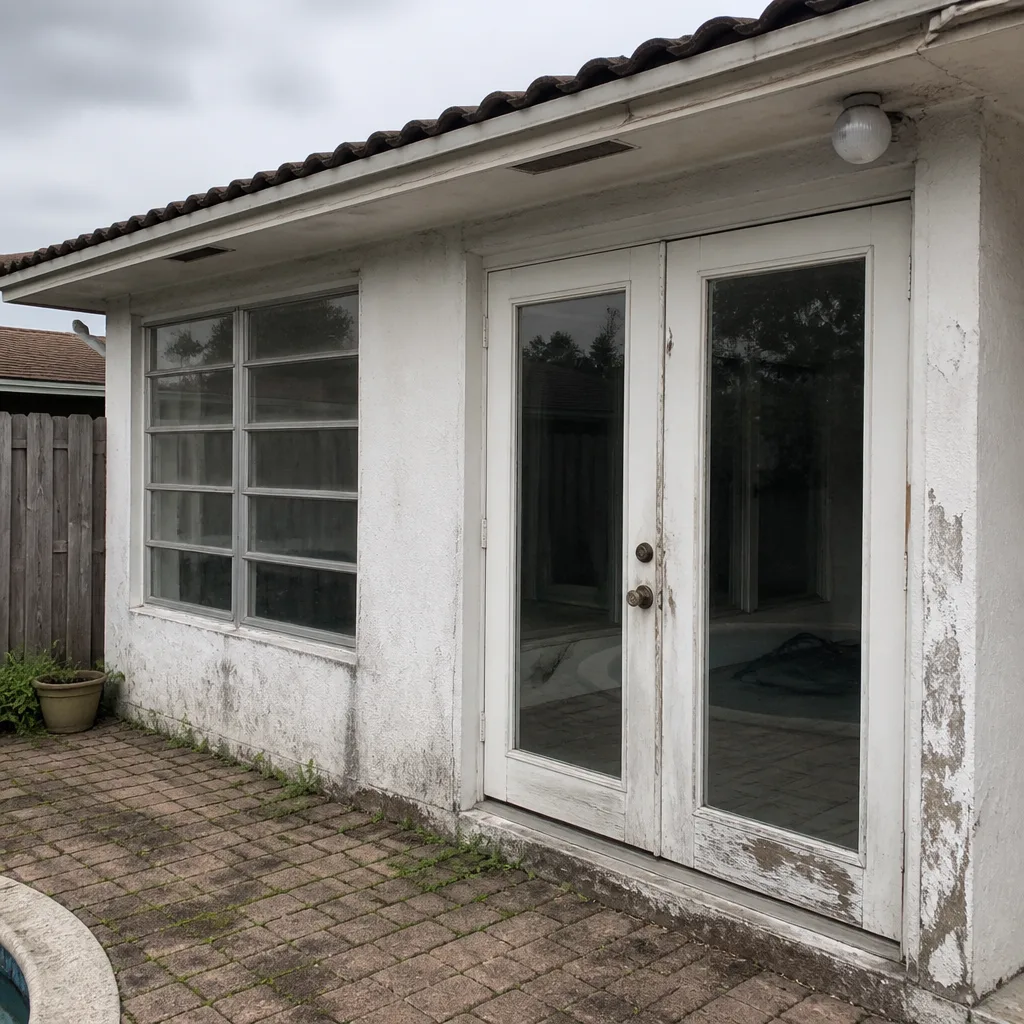
 Before
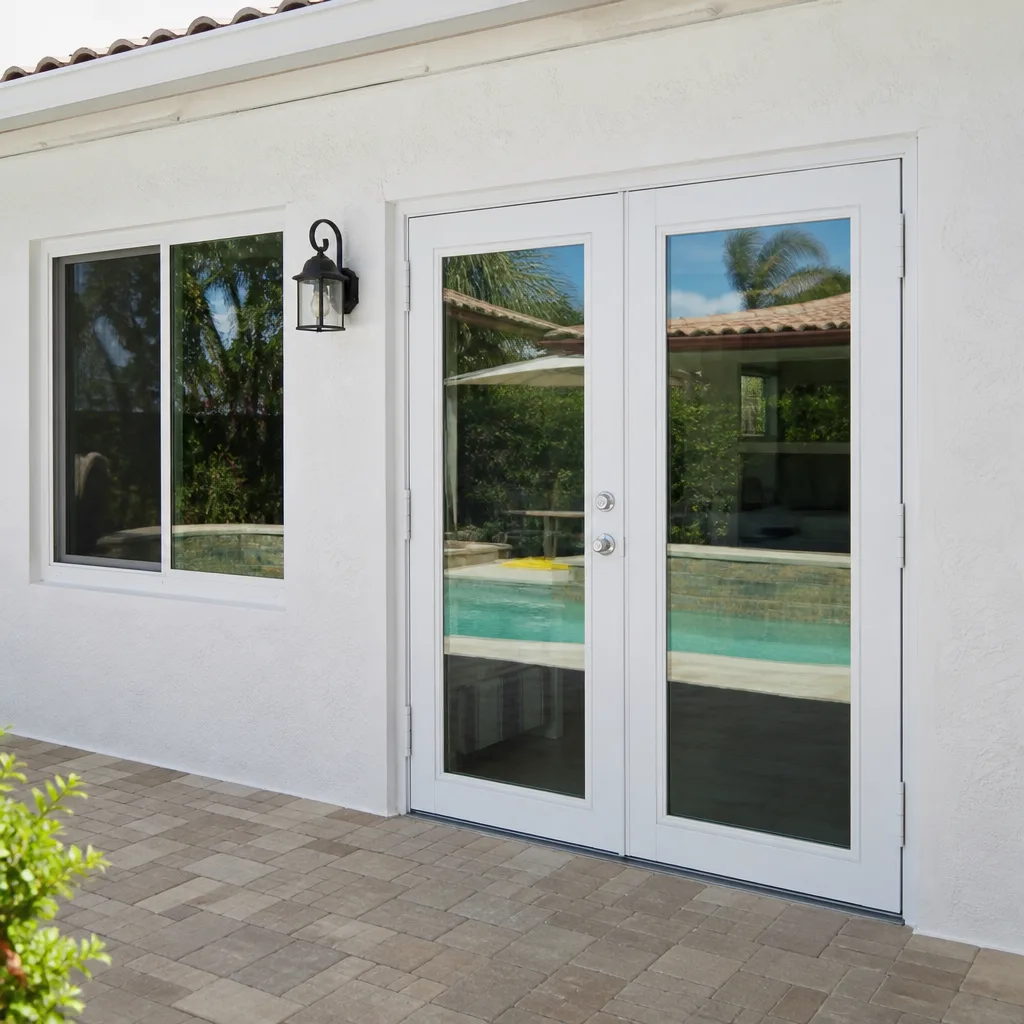 After
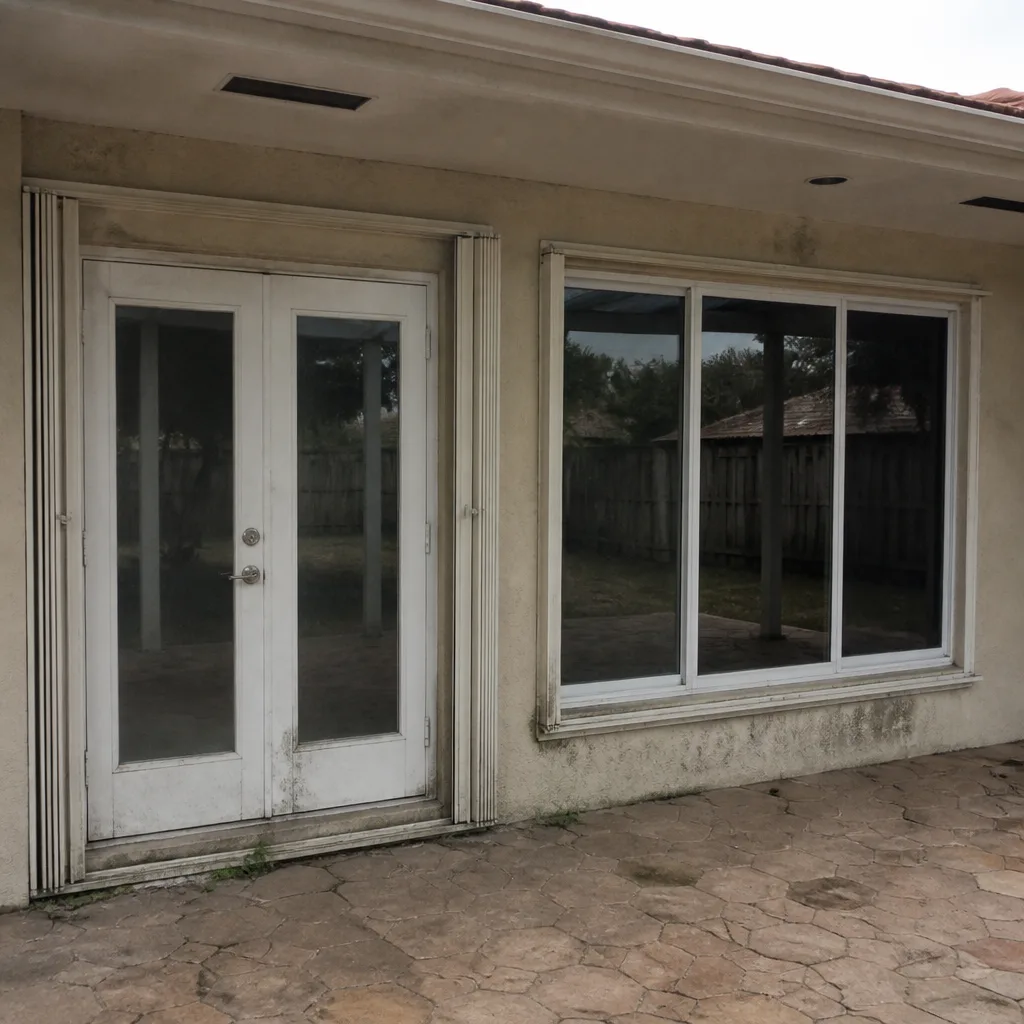
 Before
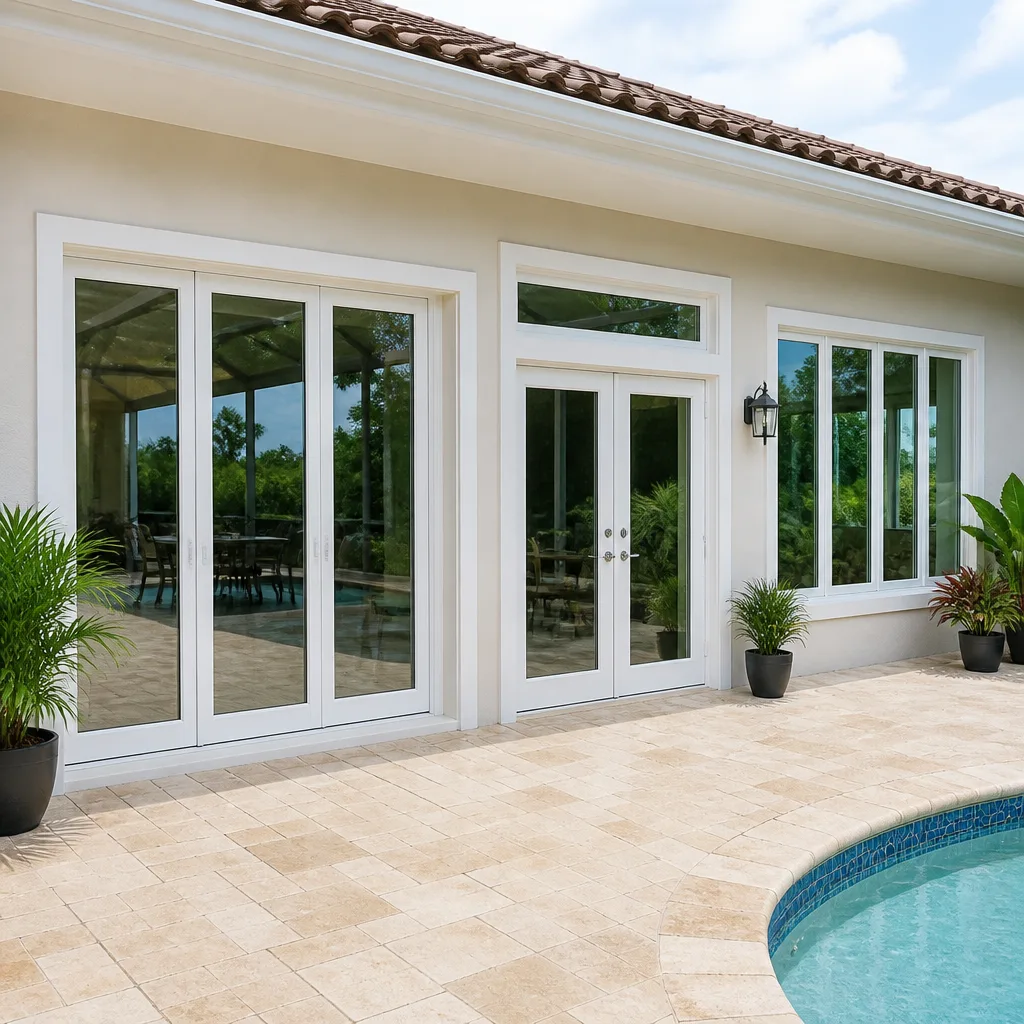 After
 Before
 After
Window Installation Maintenance Checklist for Davie Homeowners
Most window failures in Davie don’t start with a hurricane. They start with a bead of caulk that dried out eighteen months ago, a weep hole clogged with lovebug residue, or a track that hasn’t been cleaned since the last election. A window that was installed square and true will still underperform if the maintenance stops the day the crew pulls out of the driveway. This guide is built for Davie homeowners who want to know exactly what to check, when to check it, and which problems mean call someone now rather than wait. You’ll learn a seasonal maintenance rhythm that fits South Florida’s climate, the specific failure points we’ve seen across Davie neighborhoods over the years, and what it takes to protect the warranty on windows you already paid good money for.
Quick Answer
The core window maintenance routine for Davie homeowners comes down to five tasks: clean the tracks and weep holes every quarter, inspect caulk and weatherstripping every six months, lubricate moving hardware annually, test the seal for fogging or condensation between panes, and check every window for square alignment and smooth operation after any major storm. Most homeowners can handle the first three tasks in under an hour per window; the last two are where you find the problems that warrant a professional look.
Table of Contents
- A Seasonal Maintenance Rhythm Built for Davie’s Climate
- The Quarterly Cleaning Routine That Prevents Most Repairs
- Caulk and Weatherstripping: What Davie’s Sun Actually Does to Seals
- Hardware, Tracks, and Lubrication: A Step-by-Step Order
- How to Spot a Failing Seal Before It Fogs Completely
- Post-Storm Checks: What to Look At After Every Named Storm
- How the Keystone Standard Protects Your Warranty
- Common Maintenance Mistakes to Avoid
- When to Call a Professional
- Frequently Asked Questions
- The Bottom Line
A Seasonal Maintenance Rhythm Built for Davie’s Climate
Davie doesn’t get four seasons. It gets two: wet and wetter. Our windows live through months of afternoon thunderstorms, weeks of humidity that hovers near ninety percent, and a sun that beats down on the same western exposures every single day. That weather pattern dictates a maintenance schedule that doesn’t look much like what homeowners in Ohio or Arizona would follow.
Here’s the rhythm we recommend for Davie homeowners:
- Every three months: Clean tracks, check weep holes, wipe down frames, and test that every operable window opens and closes without binding.
- Every six months: Inspect all exterior caulk and interior weatherstripping. Look for hairline cracks, shrinkage, or areas where the seal has pulled away from the frame. This is the single most important maintenance task for preventing water intrusion in Davie homes.
- Annually: Lubricate all moving hardware with a dry silicone spray. Check locks, latches, and crank mechanisms. Inspect screens for tears that let in no-see-ums during the summer.
- After every named storm or wind event over 50 mph: Walk the exterior perimeter and inspect every window for new gaps, cracks, or movement. Check interior walls below and beside windows for water staining or soft drywall.
The six-month caulk inspection matters more in Davie than in most places because our UV index runs high year-round. A bead of exterior caulk that would last five years in a northern climate might start cracking in two years here. In neighborhoods like Forest Ridge and Shenandoah, where many homes were built in the 1980s and 1990s, we regularly see caulk that has fully separated from the frame and is doing nothing to stop water. The homeowner doesn’t notice because the frames look fine from eight feet away. You have to get up close and run a finger along the seam.
Set a reminder on the same dates you change your air filters. If you’re doing one, do the other. Both take ten minutes and both prevent slow, expensive damage.
The Quarterly Cleaning Routine That Prevents Most Repairs
Most window repair calls we take in Davie fall into two categories: the window won’t open, or the window won’t lock. And in the majority of those cases, the root cause is debris in the track or a clogged weep hole. Dirt, sand, lovebug carcasses, and landscaping mulch all find their way into window tracks. When enough of it builds up, the sash can’t seat properly, the lock won’t engage, and water backs up inside the frame instead of draining out through the weep holes.
Here’s the cleaning routine we walk homeowners through:
- Vacuum the track first. Use a shop vac or a vacuum with a crevice tool to pull out loose dirt and debris. Don’t wipe first; that just pushes grime into the corners.
- Wipe the track with a damp cloth and a mild detergent. Dish soap works fine. Stay away from harsh solvents or bleach, which can degrade vinyl frames and attack the finish on aluminum.
- Clear every weep hole. These are small drainage openings on the exterior bottom edge of the frame. Use a pipe cleaner, a zip tie, or a can of compressed air. A clogged weep hole turns any driving rain into standing water inside the frame, which corrodes hardware and eventually rots interior wall surfaces.
- Clean the glass and inspect the glazing bead. You’re looking for any cracks in the bead or any area where the rubber has pulled loose from the glass. See it? Note it and keep an eye on it or call a pro.
- Test operation. Open and close the window three times. Listen for scraping or grinding. If it fights you, that’s a signal something is misaligned or the track is still dirty.
For the second-story windows that are hard to reach safely, a quality extension brush from the hardware store does the job for exterior track cleaning. We don’t recommend homeowners get on ladders to clean upper-floor windows in Davie, especially older folks working alone. That’s a fall risk that isn’t worth the clean window. If it’s hard to reach, call us. It’s a short service call and it’s part of our TruePane Windows & Doors home service area.
Caulk and Weatherstripping: What Davie’s Sun Actually Does to Seals
Caulk is the first line of defense against water and air infiltration, and in Davie it takes a beating. The same sun that makes our winters beautiful also bakes exterior caulk until it shrinks, cracks, and pulls away from the frame. Once that happens, every afternoon thunderstorm becomes a slow leak into your wall cavity.
Walk the exterior of your home with a sharp eye twice a year. Look at every window, top and bottom, left and right. You’re checking for:
- Hairline cracks running through the caulk bead
- Caulk that has pulled away from the frame or the stucco, leaving a visible gap
- Caulk that has turned chalky or powdery to the touch
- Any area where you can slip a fingernail or a piece of paper between the frame and the wall
Inside, check the weatherstripping around the sash. In Davie’s humidity, foam weatherstripping compresses and eventually loses its rebound. Rubber and vinyl last longer but still degrade with heat. You should not be able to feel air moving around the edge of a closed window on a windy day. If you can, the weatherstripping is shot and the window is leaking conditioned air every hour the AC runs. That’s real money in a Florida summer.
For homeowners in Davie with original windows from the 1990s or earlier, we see a particular pattern: the caulk around the lower corners of south-facing windows fails first, because those corners get the most direct UV exposure throughout the afternoon. Homeowners in newer developments like Oakhill and Country Isles aren’t immune, but the newer builds tend to use higher-quality sealants that hold up longer. Either way, the six-month check applies.
Recaulking a window is a manageable DIY job if the frame is sound and you’re working at ground level. Use a quality exterior-grade polyurethane or silicone caulk rated for Florida’s UV exposure. Cut the old bead out cleanly, wipe the surface with denatured alcohol, and apply a new bead. If you see signs that water has already gotten behind the frame, stained drywall, bubbling paint, or a musty smell near the window, don’t just caulk over it. That’s the time to get a professional assessment before the damage gets worse and the repair bill grows.
Hardware, Tracks, and Lubrication: A Step-by-Step Order
Window hardware in Davie is under constant assault from humidity and salt air, especially in the sections of town closer to the coast. Locks, cranks, and sliding tracks corrode, bind, and eventually fail, which makes windows hard to operate and harder to secure. A little annual maintenance keeps all of it working smoothly.
Here’s the lubrication and hardware check sequence we use on every TruePane tune-up:
- Inspect every lock and latch. A lock that’s loose on its screws won’t engage properly, and a window that doesn’t lock is a security problem. Tighten screws, and if the lock body is stripped or cracked, replace it.
- Lubricate locks and latches with dry silicone spray. Not WD-40, which leaves an oily film that collects dust and sand. A short burst of dry silicone into the lock mechanism and a few cycles of the key or thumb turn is all it needs.
- Lubricate sliding tracks on sliders and hung windows. Dry silicone works here too. Spray lightly along the track and run the sash back and forth several times. This is especially important on older aluminum sliders common in Davie homes from the 1970s and 1980s.
- Test crank mechanisms on casement and awning windows. Open the window fully and check the crank arm for rust, bend, or excessive play. Lubricate the gear mechanism with the same dry silicone. If you feel resistance beyond what feels normal, run the crank half a turn back and forward; if it binds still, the operator gear is likely worn and should be replaced before it seizes.
- Check the balance system on double-hung windows. Open the sash halfway and let go. A properly balanced window stays in place. If the sash drops, the balances are worn; if it creeps up, the spring tension is off. This is a repair, not a lubrication fix.
Most of the hardware on windows we install, lines from PGT and Simonton among them, is designed for coastal climate conditions and holds up well. But the hardware on windows that are twenty or thirty years old is another story. We regularly replace lock assemblies and crank operators on older Davie homes where the original builders specified the cheapest available hardware. If you’re replacing window hardware more than once a year, that tells us the window has reached the end of its useful life, and a replacement conversation is worth having.
How to Spot a Failing Seal Before It Fogs Completely
A failed insulated glass seal is the most common defect we see in Davie windows that look otherwise perfect. Here’s how it works: an insulated glass unit, or IGU, is two panes of glass separated by a spacer and sealed to create an airtight chamber, usually filled with argon or krypton gas. When that seal fails, the gas escapes and moisture-laden exterior air starts moving in and out of the chamber. That leads to fogging, hazing, or mineral deposits between the panes.
But by the time you see visible fog between the panes, the seal has been failing for a while. Early warning signs include:
- A slight haze on the inside surface of the glass that doesn’t wipe off - you’d be surprised how often the first thing people try is cleaning the wrong side of the pane.
- Distortion in the glass, especially at the corners, where it looks wavy or slightly warped.
- Condensation between panes that appears only in the morning and clears by midday. That’s moisture moving through a compromised seal with the daily temperature cycle.
- Streaks or residue running down the inside of the glass - mineral deposits left behind as moisture evaporates.
In Davie’s humidity, seal failures progress faster than in drier climates. A failed seal in a window with morning sun exposure and south Florida’s ambient moisture can go from early haze to permanent fog in a single wet season. In our experience in older neighborhoods like Playland Village and the homes east of Davie Road, seal failure is one of the top reasons homeowners call us for a repair quote, and it’s often a window that was installed as a “bargain” fifteen years ago.
The repair path for a failed seal is straightforward: replace the insulated glass unit. You don’t always have to replace the entire window unless the frame is also deformed or water-damaged. The cost is lower than a full window replacement and restores the energy performance you’re paying for. The catch is the warranty and we’ll come back to that. If the IGU is under manufacturer warranty and it was registered properly, the replacement glass may cost very little. If the warranty was never registered, you’re paying retail for the glass. That’s a hard lesson we help homeowners avoid.
Post-Storm Checks: What to Look At After Every Named Storm
After any named storm that’s passed close enough to bring sustained winds to Davie, do a walkaround. Not just the yard and roof; the windows. High wind stresses frames, flexes glass, and finds every weak caulk joint you didn’t catch in the last six-month check.
The post-storm window checklist:
- Visual inspection from the outside. Walk the perimeter and look at every window for cracked glass, bent frames, or caulk that’s peeled away. Binoculars help for second-story windows.
- Interior inspection. Run your hand along the drywall below and beside each window, feeling for damp spots. Look for discoloration that wasn’t there before the storm.
- Operational check. Open and close every window. Wind-driven rain can swell wood frames, and storm pressure can knock a window out of square. A window that won’t open or no longer latches after a storm has moved in its opening.
- Screen check. High winds tear screens and bow splines. A damaged screen is a minor problem, but it’s also a reminder that your windows took a hit and should be checked.
For homeowners with impact-rated windows, post-storm checks are no less important. Impact glass is built to take debris strikes at speed, but the frames and seals still endure real stress in high wind. We tell our Davie customers that an impact window that’s stayed in place through a Cat 1 or Cat 2 is still worth inspection. You’re looking for the small things: a hairline crack in the laminate layer, a subtle frame distortion, a seal that shifted. Small things become big things when the next storm arrives.
If anything looks off, call us for an inspection. We don’t charge for an assessment. The worst outcome is that we tell you everything is fine and you sleep better in September. The best outcome is that we catch a small problem before it becomes a water-damage claim on your homeowners insurance.
How the Keystone Standard Protects Your Warranty
Warranty coverage for windows only matters if it’s enforceable. A lot of homeowners in Davie have learned that the hard way: a seal fails, they call the manufacturer, and they’re told the warranty was never registered or the installation was never documented properly, or that the fine print excludes the problem. Out of scope, out of pocket.
The Keystone Standard at TruePane Windows & Doors exists to fix that, permanently. Here’s how it works:
- Both warranty layers registered in writing before the technician leaves the driveway. When we finish a window installation, the manufacturer warranty and the workmanship warranty are documented, dated, and registered. You get the paperwork before we leave, not in an email six weeks later.
- Durations stated on paper. You’ll know exactly how long the glass warranty runs, how long the frame warranty runs, and how long our workmanship guarantee runs. No vague language.
- Done Right Promise. If something is not right in the first 90 days after the install, we come back and make it right. No paperwork fight, no arguing, no phone tag.
That’s the foundation of how we work in Davie. When you maintain a window we installed, you’re maintaining an installation that was set square and documented from day one. The maintenance you do going forward is straightforward, and when a problem traces back to the install or the glass, the warranty is there and it’s real.
Windows from manufacturers like PGT, CGI, and Simonton are backed by solid warranties, but those warranties don’t mean much if the glass was installed out of level or the paperwork was never filed. The Keystone Standard is how we close that gap.
Common Maintenance Mistakes to Avoid
- Ignoring weep holes until water shows up indoors. By the time you see water staining inside, the weep holes have been clogged long enough to do real damage. Clear them quarterly and the problem doesn’t start.
- Using the wrong cleaner on vinyl frames. Abrasive cleaners and bleach degrade vinyl over time, dulling the finish and making frames brittle. Mild dish soap and water is all you need for routine cleaning.
- Spraying WD-40 into window tracks. It attracts dust, sand, and lovebugs and turns into a gummy paste in South Florida heat. Use dry silicone spray or don’t lubricate at all.
- Painting over caulk instead of replacing it. Paint doesn’t restore a failed seal. If the caulk is cracked or pulled away, remove it and apply a proper exterior-grade caulk, then paint if you need to.
- Forcing a window that’s stuck. If a window binds when you try to open it, don’t muscle it. Forcing a jammed sash bends hardware, breaks lock assemblies, and can shatter the glass. Stop and find out why it’s binding.
- Leaving second-story windows out of the rotation because they’re hard to reach. The windows you can’t easily inspect are the ones where problems go unnoticed longest. If you can’t safely reach upper-floor windows, hire someone who can.
- Assuming impact windows need no maintenance. Impact glass is strong; the frames and seals around it still require quarterly cleaning, caulk checks, and lubrication, same as any other window in Davie.
When to Call a Professional
Some window problems are maintenance. Some are repairs. Knowing the difference saves you money. Call a professional when the glass between panes is fogged or hazed, when a window has moved out of square after a storm, when water is entering around the frame despite clean weep holes and fresh caulk, or when the balance system on a double-hung has failed and the sash won’t stay up. Frame rot on wood windows, visible mold around the sill, and recurring condensation that persists even after the house is dried out are all calls for a trained eye, too.
TruePane Windows & Doors offers free estimates in Davie. Call (863) 208-5172 and a live person will answer, not a voicemail tree. We’ll come out, assess what’s happening with your windows, and tell you honestly whether it’s a repair, a replacement, or a maintenance issue you can handle yourself.
Frequently Asked Questions
Every three months is the right cadence for Davie’s climate. The combination of sand, humidity, and insect debris from South Florida’s year-round bug season builds up fast, and clogged tracks cause binding windows, failed locks, and water intrusion. Call (863) 208-5172 if you’d rather have us handle it as part of an annual tune-up; our maintenance check ends up being a fraction of what repairs cost.
Condensation between panes means the insulated glass seal has failed and the window’s energy performance is gone. It won’t fix itself, and in Davie’s humidity it will get worse. The fix is a new insulated glass unit; call (863) 208-5172 to get a quote for replacement glass and to check whether your manufacturer warranty covers the cost.
For a homeowner doing the work themselves, routine maintenance costs under $50 a year in caulk, cleaner, and silicone spray. TruePane’s maintenance check covers a professional cleaning, lubrication, and full inspection of every window in the home, plus a free written repair estimate if we find something that needs work. Call (863) 208-5172 for the exact quote, estimates are free.
Yes. Impact-rated windows from manufacturers like PGT and CGI are built to resist debris strikes and wind pressure, but their frames, seals, and hardware face the same sun, humidity, and salt air as any other window in Davie. Quarterly track cleaning and six-month caulk checks apply, and if anything looks wrong after a storm, get it inspected before the next one forms.
Yes, a homeowner can recaulk ground-floor windows if the frame is sound and the old caulk is properly removed. The skillset is basic patience and a steady hand with a caulk gun. What a homeowner shouldn’t do is caulk over a leak that’s already made its way into the wall. If you see peeling paint, stained drywall, or signs of mold near a window in Davie, call (863) 208-5172 for an assessment before you seal moisture into the wall cavity.
The most common reason is debris in the track combined with warped or out-of-square frames, often caused by years of thermal cycling in the Florida heat. Older aluminum windows throughout Davie neighborhoods are particularly prone to it. If a good track cleaning doesn’t fix the binding, the window has likely moved out of alignment and needs a professional look before the hardware gives out completely.
The Bottom Line
Window maintenance in Davie is a quarterly discipline, not an annual event. Clean the tracks, clear the weep holes, check the caulk, and lubricate the hardware on a schedule. Watch for the early signs of seal failure before the glass fogs over. Inspect everything after every named storm. And when a problem is beyond a homeowner’s scope, get a professional involved before the damage spreads. Windows are an investment in your home, not a utility you replace on a whim; a little maintenance protects that investment for decades. TruePane Windows & Doors has been serving Davie, and we’re a phone call away at (863) 208-5172 if you’d like a free estimate or a professional tune-up.
Written by the team at TruePane Windows & Doors.
Six Reasons Homeowners Choose TruePane Windows & Doors
Impact systems engineered to design pressures up to +/-100, matched to your wind zone - your openings hold when the storm arrives.
Low-E insulated impact glass from our manufacturer lines commonly cuts monthly cooling bills 20-30%.
Laminated impact glass shuts out up to 40% of outside noise - traffic, neighbors, weather.
Monitoring services run $30-90 a month. Laminated impact glass resists forced entry around the clock, with no subscription.
Florida homeowners average around 25% savings on the windstorm portion of their policy after protecting every opening - some homes qualify for more.
A full impact package upgrades curb appeal, buyer confidence and appraised value in one project.